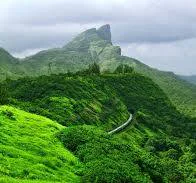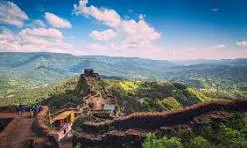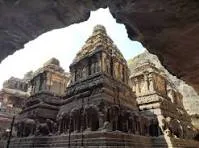
Deep within the rugged basaltic hills of Maharashtra lie two of the world's most breathtaking architectural and artistic achievements: the Ajanta and Ellora Caves. Located near the historic city of Chhatrapati Sambhajinagar (formerly Aurangabad), these UNESCO World Heritage Sites represent the pinnacle of ancient Indian rock-cut architecture, sculpture, and painting. Carved entirely by hand using hammers and chisels over centuries by Buddhist, Hindu, and Jain monks and artisans, these caves offer an awe-inspiring portal into India's spiritual and artistic golden age.
Whether you are an archaeology enthusiast, a history scholar, or a traveler seeking profound cultural immersion, exploring Ajanta and Ellora is an unforgettable expedition. This comprehensive guide details the history, architectural wonders, and essential travel tips for exploring these timeless monuments.
Part 1: The Ajanta Caves – Masterpieces of Buddhist Art
Dating from the 2nd century BCE to the 5th century CE, the Ajanta Caves comprise a horseshoe-shaped cluster of 29 rock-cut Buddhist cave monuments tucked into a steep cliffside overlooking the Waghur River.
1. The Historical Context
Created during two distinct historical phases—the Satavahana period and the later Vakataka period—Ajanta served as a serene sanctuary and monastic retreat for Buddhist monks. Following the decline of Buddhism in the region, the caves were swallowed by dense jungle until a British cavalry officer, John Smith, accidentally rediscovered them while tiger hunting in 1819.
2. Architecture: Viharas and Chaityas
The complex is divided into two primary types of caves:
Chaityas (Prayer Halls): Caves like Cave 19 and Cave 26 feature soaring vaulted ceilings, magnificent stupas, and intricate pillar carvings designed for congregational worship.
Viharas (Monasteries): Caves like Cave 1 and Cave 2 are sprawling residential halls flanked by monastic cells and adorned with massive carved Buddha statues.
3. World-Famous Murals and Frescoes
Unlike Ellora, Ajanta is globally renowned for its surviving ancient wall paintings. Utilizing a technique of applying mineral pigments over a clay and plant-fiber plaster layer, ancient artists depicted the Jataka tales (stories of the Buddha's previous lives), royal processions, celestial beings, and flora and fauna. The expressive eyes, graceful postures, and sophisticated shading found in masterpieces like the Padmapani and Avalokiteshvara paintings remain an unmatched testament to ancient Indian painting prowess.
Part 2: The Ellora Caves – A Symphony of Three Faiths
Located about 100 kilometers from Ajanta, the Ellora Caves represent a massive complex of 34 rock-cut caves carved consecutively into the Charanandri hills between the 6th and 10th centuries CE.
1. Religious Harmony in Stone
What sets Ellora apart is its profound architectural testament to religious tolerance and harmony. The caves are divided neatly into three distinct religious traditions:
Buddhist Caves (Caves 1–12): Early monastic dwellings and prayer halls reflecting serene spiritual devotion.
Hindu Caves (Caves 13–29): Monumental, pillar-filled temples dedicated to Lord Shiva, Vishnu, and other deities, featuring dramatic mythological reliefs.
Jain Caves (Caves 30–34): Exquisitely detailed shrines featuring intricate carvings of Tirthankaras, reflecting strict asceticism and fine decorative detail.
2. The Architectural Wonder of Cave 16 (Kailasa Temple)
The crown jewel of Ellora is Cave 16, famously known as the Kailasa Temple. Recognized as the largest monolithic rock excavation in the world, this temple was carved entirely from top to bottom out of a single, massive cliffside. Over 200,000 tons of rock were systematically removed by master artisans under the Rashtrakuta dynasty to reveal a multi-tiered, free-standing temple complex complete with towering gateways, sculpted elephants, and flying celestial figures—all without a single added brick or joint.
Part 3: Suggested 2-Day Itinerary for History Lovers
Day 1: The Artistic Depth of Ajanta
Morning: Arrive early at the Ajanta visitor center, take the authorized eco-bus to the canyon, and begin exploring the monastic caves. Focus on the mural paintings in Caves 1, 2, 16, and 17.
Afternoon: Hike up to the panoramic viewpoint opposite the horse-shoe gorge for a breathtaking aerial perspective of the entire monastic complex.
Day 2: The Monolithic Grandeur of Ellora
Morning: Dedicate your morning to exploring the breathtaking scale and detail of the Kailasa Temple (Cave 16) at Ellora.
Afternoon: Explore the remaining Hindu, Buddhist, and Jain caves (such as the multi-story Dhumar Lena and the intricate Jain carvings in Cave 32) before concluding your historical journey.
Practical Travel Tips
Best Time to Visit: The winter months (November to March) offer the most pleasant weather for walking between the outdoor cave steps.
Cave Closures: Note that Ajanta Caves are closed on Mondays, and Ellora Caves are closed on Tuesdays. Plan your itinerary accordingly!
Footwear and Accessibility: Be prepared for significant walking and climbing steep rock-cut stairs. Comfortable walking shoes and easy-to-slip-off footwear are essential, as shoes must be removed before entering sacred cave sanctums.
Written by
Funtoor Travel Team
Travel planners based in Chail, Himachal Pradesh. We plan and arrange trips — stays, transport and experiences — across the Himalayas.