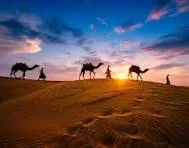
India offers two completely distinct, world-class desert ecosystems that provide entirely different visual and cultural experiences. While Rajasthan represents the classic, romanticized expanse of rolling golden sand dunes and historic desert fortresses, Gujarat offers the surreal, minimalist expanse of the Great Rann of Kutch—a vast, blindingly white salt flat that transforms into a mirror under the moonlight. Choosing between the two depends entirely on whether travelers are seeking traditional desert safaris and royal heritage or otherworldly landscapes and unique salt-crust terrain.
Key Highlights and Comparisons
Landscape and Scenery:
Rajasthan (Thar Desert): Characterized by undulating golden sand dunes, rocky terrain, and arid shrublands, centered around cultural hubs like Jaisalmer, Bikaner, and Jodhpur. Sunsets over the dunes and sweeping desert vistas define the topography.
Gujarat (Rann of Kutch): Characterized by an endless, flat horizon of white salt crystals that stretch as far as the eye can see, creating striking optical illusions and mirror-like reflections during the winter months.
Culture and Traditions:
Rajasthan: Deeply intertwined with Rajput heritage, folk music performances by the Langa and Manganiyar communities, vibrant turbans, puppet shows, and bustling desert bazaars.
Gujarat: Celebrated for Kutchi arts and crafts, including intricate hand embroidery, block printing, Rogan art, traditional mud-and-mirror homes (bhungas), and the vibrant cultural celebration of the Rann Utsav festival.
Adventure and Activities:
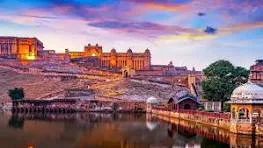
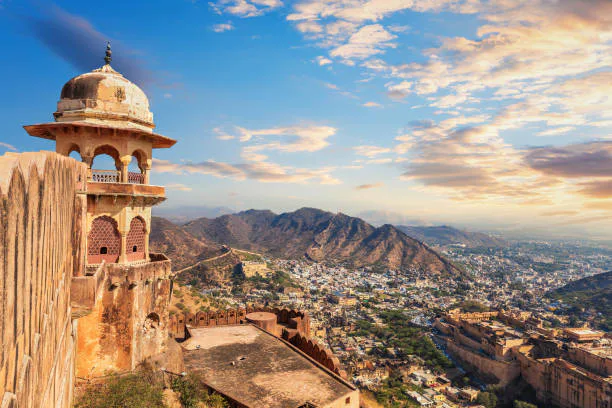
Rajasthan: Renowned for classic desert activities, including camel safaris, overnight desert camping under the stars, quad biking, dune bashing, and exploring medieval desert forts.
Gujarat: Focused on camel cart rides across the salt flats, witnessing panoramic views from Kalo Dungar, exploring the archaeological ruins of Dholavira, and spotting unique wildlife like the Indian wild ass in the nearby Little Rann.
Best Time to Visit: Both regions are best visited during the cooler winter months between October and March, when daytime temperatures are pleasant and evening desert temperatures drop significantly. (The Rann of Kutch is inaccessible during monsoon months as the flats submerge underwater).
Written by
Funtoor Travel Team
Travel planners based in Chail, Himachal Pradesh. We plan and arrange trips — stays, transport and experiences — across the Himalayas.