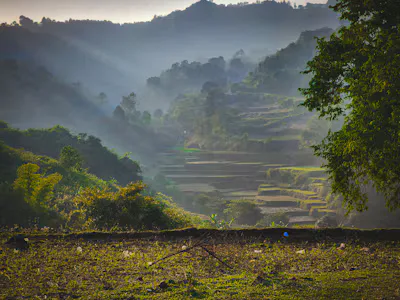
Araku Valley: The Scenic Crown Jewel of Andhra Pradesh
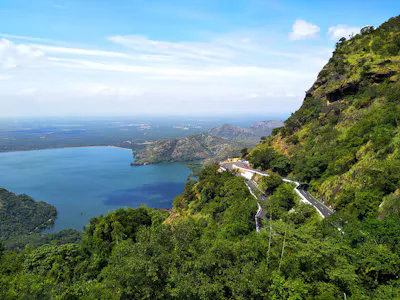
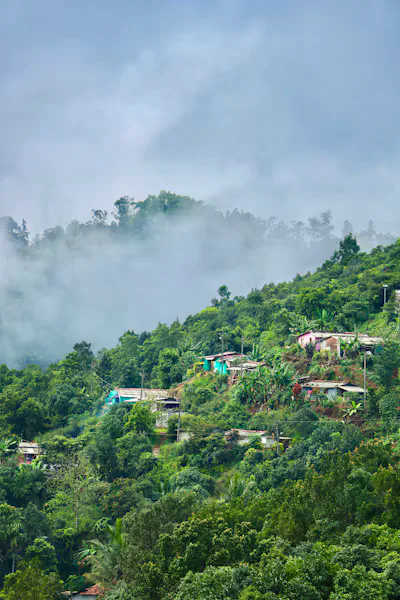
Nestled in the lush, mist-shrouded ranges of the Eastern Ghats, Araku Valley stands as one of South India's most enchanting and delightfully unexpected hill stations. Located in the Visakhapatnam district of Andhra Pradesh, Araku is a world away from the bustling coastal plains, offering travelers a serene landscape defined by rolling green hills, cascading waterfalls, sprawling organic coffee plantations, and vibrant tribal culture. Unlike the more commercialized hill stations of the Western Ghats, Araku retains an untouched, rustic charm that captivates nature lovers, road-trip enthusiasts, and slow travelers alike.
The Legendary Mountain Journey: The Kirandul Passenger & Rail Route
For many travelers, the true magic of Araku Valley begins long before reaching the destination—it starts on the tracks.
The Engineering Marvel: The train journey from Visakhapatnam to Araku is widely regarded as one of the most scenic rail routes in India. The tracks cut through the rugged Ananthagiri hills, navigating dozens of dark tunnels, soaring across towering bridges, and hugging cliffside edges that offer dizzying, panoramic views of deep gorges and dense tropical forests.
Passing Through Borra Caves: Along the rail and road route, travelers frequently stop to explore the magnificent Borra Caves, one of the largest cave formations in the country. Formed millions of years ago by the action of karst processes on limestone, these subterranean caves feature stunning, naturally sculpted stalactites and stalagmites illuminated by colorful lights, steeped in local tribal folklore.
Coffee Plantations and Organic Heritage
Araku Valley is synonymous with world-class coffee, boasting a rich agricultural history deeply tied to its indigenous communities.
The Birthplace of Tribal Coffee: Araku coffee is unique because it is entirely organic, shade-grown, and cultivated by local Adivasi (indigenous) farmers who transitioned from traditional podu (shifting) cultivation to sustainable coffee farming. The cooperative movement here has put Araku on the global map, earning international acclaim for its specialty single-origin brews.
Estate Walks and the Coffee Museum: Visitors can take guided walks through fragrant coffee estates, learning about the harvesting, roasting, and brewing processes. A visit to the local Araku Coffee Museum provides deep insights into the region’s coffee-growing heritage, offering fresh cups of locally brewed espresso and artisanal chocolates.
Cascading Waterfalls and Lush Nature Trails
The topography of the Eastern Ghats around Araku is heavily sculpted by winding rivers, resulting in spectacular waterfalls and hidden natural pools that come alive vibrantly during and after the monsoon season.
Katiki Waterfalls: Located near the Borra Caves, reaching Katiki Waterfalls involves an exciting trek or an open-top jeep ride across shallow stream crossings. Plunging from a height of over 50 feet amidst dense bamboo thickets, the falls offer a refreshing, crystal-clear pool ideal for nature lovers.
Chaparai Waterfalls (Padmapuram): Also known as Dumbriguda Waterfalls, Chaparai features a unique rock formation where water slides smoothly over a vast, sloping sheet of granite surrounded by lush green forests. It is a popular, picturesque spot for relaxing picnics and scenic photography.
Padmapuram Botanical Gardens: Originally established during World War II to supply vegetables to the British army, these historic gardens now feature manicured lawns, colorful seasonal flowers, rose gardens, and unique tree-top huts (hanging cottages) that you can rent for a novel experience.
Vibrant Tribal Culture and Local Markets
The soul of Araku Valley lies in its people—the resilient and culturally rich indigenous tribes of the Eastern Ghats.
Dhimsa Dance: Visitors are often treated to performances of the traditional Dhimsa dance, a high-energy folk dance where tribal villagers lock arms in concentric circles, moving rhythmically to the beat of traditional drums and flutes.
Weekly Tribal Markets (Shandies): If you happen to visit on a Friday, the local weekly market brings together communities from surrounding remote hills. It is a fascinating cultural immersion where locals trade organic produce, forest honey, handmade pottery, and vibrant tribal jewelry.
Practical Tips for Your Araku Trip
Best Time to Visit: The ideal time to explore Araku Valley is between September and March, when the weather is crisp and cool, ranging from pleasant daytime warmth to chilly evenings. The post-monsoon months (September to November) are particularly stunning, with waterfalls running at full capacity and the valleys wrapped in vibrant green.
Getting There: Araku is easily accessible from Visakhapatnam (Vizag), either via the famous scenic mountain train or through a breathtaking 3-hour road journey up the Ghat roads (Ananthagiri hairpin bends).
Conclusion
Araku Valley is a refreshing sanctuary that blends scenic drama with agricultural heritage and cultural warmth. Whether you are sipping world-class organic coffee overlooking misty hills, riding the historic mountain railway through dark tunnels, or chasing hidden waterfalls, Araku offers an authentic and unforgettable South Indian mountain escape.
Written by
Funtoor Travel Team
Travel planners based in Chail, Himachal Pradesh. We plan and arrange trips — stays, transport and experiences — across the Himalayas.