Gujarat, a state steeped in legendary history, coastal beauty, and rich ecological diversity, offers travelers an extraordinary tapestry of cultural and natural wonders. Stretching from the salt flats of the Thar Desert down to the Arabian Sea coastline and across protected forested sanctuaries, Gujarat is a land of striking contrasts.
Whether you are seeking the surreal white expanse of the Rann of Kutch under a full moon, the roaring presence of the majestic Asiatic lion in its final natural habitat, or exquisite temple architecture dating back centuries, Gujarat delivers a deeply enriching travel experience. This comprehensive guide covers the best places to visit across the state's three primary pillars: culture, wildlife, and nature.
Part 1: Cultural Landmarks and Architectural Marvels
Gujarat’s cultural footprint is defined by intricate stepwells, majestic palaces, sun temples, and vibrant handicraft traditions that span millennia.
1. Ahmedabad and the Rann of Kutch Heritage
Ahmedabad: As India’s first UNESCO World Heritage City, Ahmedabad seamlessly bridges rich history and modern vitality. Visitors can explore the stunning Adalaj Stepwell—a masterpiece of Solanki-style architecture featuring five stories of intricate subterranean stone carvings—alongside the Sabarmati Ashram and the exquisite Calico Museum of Textiles.
Bhuj and Kutch Villages: The historic city of Bhuj serves as the cultural gateway to the Kutch region, known for its royal palaces, Prag Mahal, and Aina Mahal. Surrounding artisan villages like Khavda, Nirona, and Hodka showcase traditional crafts such as Rogan art, bell-making, and mirror-work embroidery.
2. Modhera Sun Temple and Patan
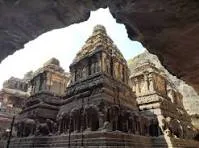
Located in northern Gujarat, the Modhera Sun Temple is an architectural marvel dedicated to the solar deity Surya, built in the 11th century by the Chalukya dynasty. The temple complex features a magnificent stepped water tank (Surya Kund) and intricately sculpted pillared halls that catch the morning rays of the equinox. Nearby in Patan, visitors can witness master weavers crafting the legendary, double-ikat Patola silk sarees.
Part 2: Wildlife Sanctuaries and Conservation Havens
Gujarat boasts some of India’s most unique and successfully managed wildlife habitats, safeguarding rare species found nowhere else on earth.
1. Gir National Park and Wildlife Sanctuary
Significance: Gir National Park is globally famous as the sole remaining natural habitat of the Asiatic Lion.
Experience: Spanning dry deciduous forests, acacia groves, and undulating hills, guided jeep safaris offer high chances of spotting lions, leopards, striped hyenas, marsh crocodiles, and over 300 species of resident and migratory birds.
2. Velavadar Blackbuck National Park and Little Rann of Kutch
Velavadar: Situated in the Bhavnagar district, this grassland sanctuary is renowned for its successful conservation of the majestic blackbuck antelope, Indian wolves, and the endangered lesser florican bird.
Little Rann of Kutch (Wild Ass Sanctuary): Spanning a vast salt-encrusted flatland, this unique ecosystem is the world's last refuge for the Indian wild ass (Khur), alongside vast flocks of migratory flamingos, pelicans, and desert foxes.
Part 3: Nature Escapes and Coastal Horizons
For travelers seeking tranquil nature retreats, hill stations, and scenic shorelines, Gujarat provides serene escapes away from urban life.
1. Saputara Hill Station
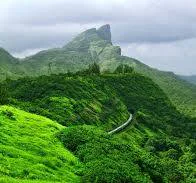
Tucked away in the dense forests of the Sahyadri mountain range (Western Ghats), Saputara is Gujarat's only hill station. It offers a cool, misty climate, rolling green hills, cascading waterfalls during the monsoon, and peaceful boat rides on Saputara Lake. Key attractions include the Saputara Tribal Museum, Hatgadh Fort, and panoramic sunset points.
2. Dwarka and Somnath (Coastal Shrines)
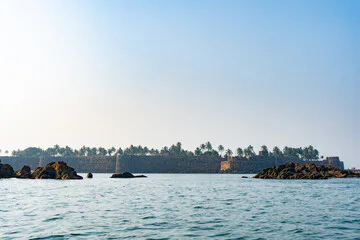
Situated along the Arabian Sea coastline, Dwarka (one of the Sapta Puris or seven sacred Hindu pilgrimage cities) and Somnath (housing the first of the twelve sacred Jyotirlinga shrines of Lord Shiva) combine profound spiritual heritage with breathtaking coastal vistas, crashing waves, and magnificent temple architecture.
Suggested 3-Day Itinerary Blueprint
Day 1: Cultural Immersion in Ahmedabad
Morning: Explore the intricate architecture of the Adalaj Stepwell and visit Sabarmati Ashram.
Afternoon: Stroll through the heritage lanes of the walled city and sample authentic Gujarati thali cuisine.
Day 2: Wildlife Safari in Gir
Morning: Travel to Gir National Park and embark on an early morning wildlife jeep safari to spot Asiatic lions.
Afternoon: Visit local cultural centers or nature trails surrounding the sanctuary.
Day 3: Coastal Heritage and Sunset Views
Morning: Head towards coastal shrines like Somnath or explore the scenic nature trails of Saputara.
Afternoon: Enjoy a peaceful sunset along the Arabian Sea coastline before concluding your trip.
Practical Travel Tips
Best Time to Visit: The winter months (November to March) offer the most pleasant weather for exploring outdoor wildlife sanctuaries, desert flats, and historical monuments.
Local Cuisine: Be sure to sample authentic Gujarati cuisine, celebrated for its unique balance of sweet, savory, and spicy flavors (such as dhokla, thepla, and traditional thalis).
Booking Safaris: Advance online booking for wildlife safaris in Gir National Park and Little Rann of Kutch is mandatory to secure permits.
Written by
Funtoor Travel Team
Travel planners based in Chail, Himachal Pradesh. We plan and arrange trips — stays, transport and experiences — across the Himalayas.