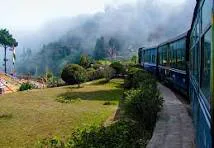
Choosing between Darjeeling and Gangtok is one of the most common dilemmas for travelers planning a journey into the Eastern Himalayas. Both destinations offer stunning mountain landscapes, rich cultural tapestries, and crisp alpine air, yet they deliver profoundly different experiences. Understanding their distinct characteristics, attractions, food cultures, and logistical styles will help you determine which destination aligns best with your travel goals.
1. Overview and Core Character
Darjeeling: The Nostalgic Queen of the Hills
Nestled in West Bengal, Darjeeling earned its reputation during the British colonial era. It retains a distinct old-world charm characterized by Victorian-style architecture, heritage buildings, winding narrow streets, and sprawling, mist-covered tea plantations. The atmosphere feels lived-in, romantic, and slightly chaotic, making it a favorite for travelers who appreciate history, literature, and a classic hill-station pace.
Gangtok: The Modern Mountain Capital
As the capital of Sikkim, Gangtok offers a striking contrast. It is a modern, clean, and well-structured mountain city defined by its strong Buddhist heritage, orderly streets, and progressive infrastructure. Surrounded by deep valleys and dramatic ridges, Gangtok leans into a contemporary vibe with a thriving cafe culture, disciplined public spaces, and seamless organization that appeals to travelers looking for comfort and accessibility.
2. Iconic Attractions and Sightseeing
Darjeeling Highlights
Tiger Hill: Famous worldwide for its breathtaking dawn views, where the first rays of sunlight strike Mount Kanchenjunga, turning the snow-capped peak into shades of orange and pink.
Darjeeling Himalayan Railway (The Toy Train): A UNESCO World Heritage Site that chugs through mountain loops and bustling town streets, offering an unforgettable nostalgic journey.
Batasia Loop: A marvel of railway engineering where the train circles a panoramic ridge overlooking the valley and Kanchenjunga range, accompanied by a Gurkha war memorial.
Tea Estates: Iconic plantations like Happy Valley Tea Estate, where visitors can walk through lush bushes and learn about orthodox tea processing.
Chowrasta and Mall Road: The vibrant social heart of Darjeeling, perfect for leisurely strolls, shopping for local crafts, and enjoying street food without vehicular traffic.
Gangtok Highlights
MG Marg: The vibrant, pedestrian-only commercial spine of Gangtok, lined with stylish cafes, shops, and open-air seating areas.
Tsomgo Lake and Nathu La Pass: High-altitude marvels located closer to the Chinese border. Tsomgo is a glacial lake framed by rugged mountains, while Nathu La offers an adventurous mountain pass experience (subject to permits).
Rumtek Monastery: One of the most significant and architecturally stunning Tibetan Buddhist monasteries in the region, serving as a powerful spiritual center.
Tashi Viewpoint and Ganesh Tok: Excellent vantage points offering sweeping views of the surrounding hills, valleys, and distant mountain vistas.
3. Culture, Food, and Lifestyle
Culinary Traditions
Darjeeling: Focuses heavily on traditional Nepali, Gorkha, and classic hill-station fare. Steaming momos, thukpa, local bakery treats, and world-class Darjeeling tea define the culinary scene.
Gangtok: Offers a diverse and cosmopolitan dining landscape. Alongside authentic Sikkimese and Tibetan delicacies (such as phagshapa and bamboo shoot curries), visitors will find contemporary cafes, fusion restaurants, and broad vegetarian and vegan options.
Culture and Vibe
Darjeeling vibrates with a cultural blend of Nepali, Tibetan, and British influences, best observed in its museums, mountaineering institutes, and old-school markets. Gangtok is deeply rooted in Tibetan Buddhism, featuring numerous active monasteries, fluttering prayer flags, and cultural institutions like the Namgyal Institute of Tibetology that provide deep insights into regional history.
4. Adventure and Activities
Darjeeling: Primarily caters to softer adventures. Activities include nature walks through tea gardens, short day hikes, rock climbing at Tenzing Rock, and seasonal paragliding. It also serves as a staging ground for legendary long-distance treks like Sandakphu.
Gangtok: Offers a more diverse array of accessible adventure sports. Travelers can engage in river rafting on the Teesta River, mountain biking, cable car rides, and high-altitude alpine excursions into North Sikkim.
5. Logistics, Infrastructure, and Travel Comfort
Roads and Navigation: Gangtok generally features wider highways, cleaner streets, and smoother vehicular movement, making it less stressful for families, senior citizens, and first-time mountain travelers. Darjeeling is characterized by steeper, narrower lanes that frequently experience traffic bottlenecks during peak tourist seasons.
Permits: Darjeeling requires no special entry permits for domestic travelers. Conversely, visiting certain high-altitude zones around Gangtok (such as Nathu La or parts of North Sikkim) requires official permits arranged through registered local channels.
Budget: Darjeeling is often noted to be slightly more budget-friendly regarding local accommodations and street-side food options, whereas Gangtok's modern infrastructure can trend slightly higher, though both cater to all budget tiers.
Conclusion: Which Should You Choose?
Choose Darjeeling if your heart is set on romantic hill-station nostalgia, colonial heritage architecture, historic railway journeys, sprawling tea gardens, and watching the sunrise over Kanchenjunga.
Choose Gangtok if you prefer a clean, modern mountain city with organized infrastructure, vibrant cafe culture, rich Buddhist monasteries, and convenient access to high-altitude lakes and alpine passes.
Because both towns are relatively close to each other, many travelers choose to combine them into a single comprehensive Eastern Himalayan itinerary.
Written by
Funtoor Travel Team
Travel planners based in Chail, Himachal Pradesh. We plan and arrange trips — stays, transport and experiences — across the Himalayas.