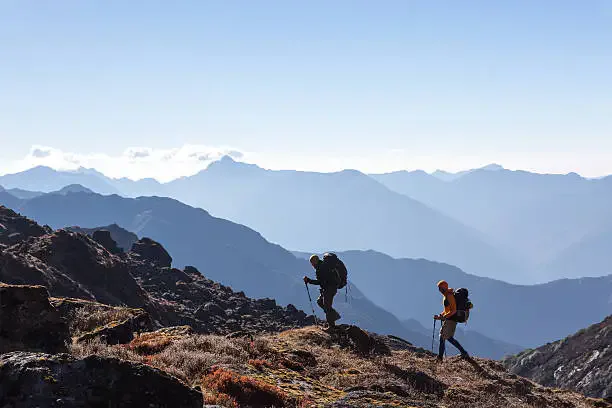
India’s vast and diverse topography makes it a dream destination for landscape photographers. From the towering Himalayan peaks in the north to the sun-drenched coastlines in the south and the dramatic salt deserts in the west, the country offers an incredible variety of lighting, textures, and moods. Capturing these landscapes successfully requires understanding how geography, weather patterns, and seasonal light interact across India's most visually striking regions.
Here is a detailed guide to India's top destinations for landscape photography, categorized by terrain and visual style.
1. The High-Altitude Deserts and Glacial Lakes of Ladakh & Spiti Valley
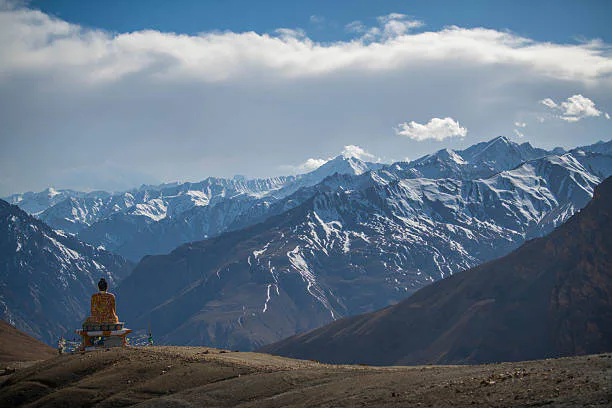
For dramatic, epic-scale landscape photography, the cold deserts of Ladakh and Spiti Valley are unmatched.
Visual Highlights: Towering snow-capped peaks, barren mountain ranges with striking geological folds, dramatic shadow play at sunrise and sunset, and hyper-clear night skies for astrophotography. Iconic spots include the mirror-like reflections of Pangong Tso, Tsomoriri, and Chandratal Lake.
Photography Tips: The atmosphere is thin and the sun is intensely bright, making a circular polarizer (CPL) filter essential for cutting glare and bringing out deep blue skies. Nights get freezing cold, so bring extra batteries, as cold weather drains camera power rapidly.
2. The Emerald Tea Gardens and Misty Hills of Munnar & Wayanad (Western Ghats)
If your photography style leans toward lush greens, rolling hills, and ethereal morning mists, the Western Ghats in Southern India provide an entirely different mood.
Visual Highlights: Sweeping, geometric patterns of vibrant green tea plantations, cascading waterfalls hidden inside dense tropical forests, and low-hanging clouds that sweep across mountain ridges during and right after the monsoon.
Photography Tips: Early mornings are crucial. Capturing sunrise over the tea estates when the mist is still rising creates incredible layers and moody, atmospheric frames.
3. The Surreal Salt Flats of the Rann of Kutch, Gujarat
The Great Rann of Kutch offers a stark, minimalist canvas that is a favorite among minimalist and surreal landscape photographers.
Visual Highlights: A vast, endless expanse of white salt crust that stretches to the horizon. It provides incredible opportunities for symmetry, silhouette photography, and playing with scale.
Photography Tips: Visit during the full moon to capture the ethereal white desert glowing under moonlight. During the day, wear sunglasses and use ND (neutral density) filters to manage the intense glare bouncing off the salt.
4. The Alpine Meadows and Deep Valleys of Himachal Pradesh & Uttarakhand
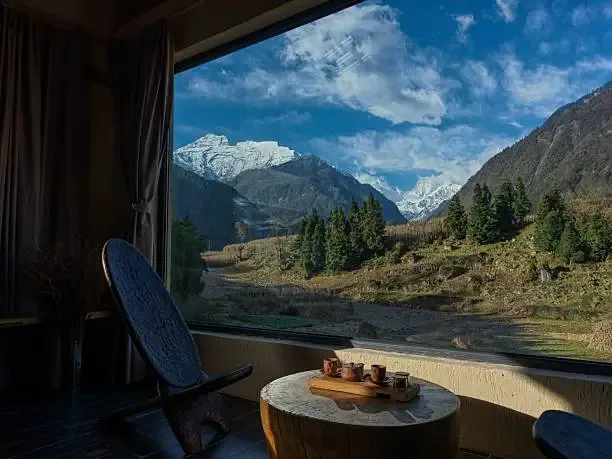
The central and western Himalayas offer classic alpine landscapes characterized by rushing rivers, dense pine forests, and dramatic jagged peaks.
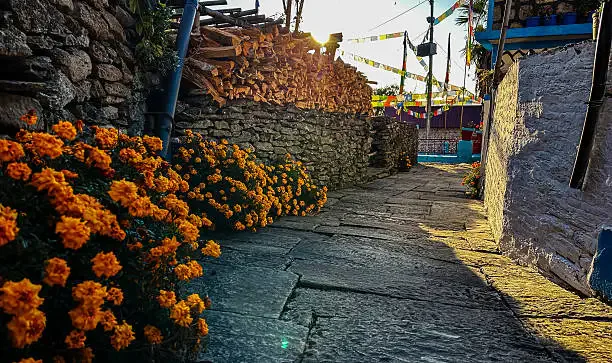
Visual Highlights: Places like Tirthan Valley, Jibhi, Kinnaur, and the high-altitude meadows of Uttarakhand (like Auli or Chopta) feature rushing streams, wildflower carpets in summer, and snow-draped timber-and-stone architecture.
Photography Tips: Incorporate a foreground element—such as a weathered wooden bridge, a rushing river boulder, or pine branches—to create depth and a strong sense of scale against distant mountain backdrops.
5. The Backwaters and Tropical Coastlines of Kerala & Goa
Coastal landscape photography requires a focus on movement, long exposures, and reflections.
Visual Highlights: Palm-fringed backwater canals at dawn, traditional wooden Chinese fishing nets silhouetted against a fiery sunset in Kochi, and dramatic sea stacks along secluded Goan beaches.
Photography Tips: Carry a sturdy tripod and a 10-stop ND filter to capture silky-smooth water effects on waves and backwater ripples during long exposures at sunrise or dusk.
Essential Gear and Planning Tips for Landscape Photography in India
Light is Everything: Aim to shoot during the "golden hour" (just after sunrise and right before sunset) when the harsh Indian sun softens into warm, directional light.
Protect Your Gear: Dust storms in deserts, humidity in coastal regions, and freezing temperatures in high-altitude mountains demand weather-sealed camera bodies, cleaning kits, and airtight protective bags.
Respect Local Culture: When framing landscapes that include local villages, farming terraces, or holy sites, always respect private property and local customs before setting up heavy tripods.
Written by
Funtoor Travel Team
Travel planners based in Chail, Himachal Pradesh. We plan and arrange trips — stays, transport and experiences — across the Himalayas.