Planning a holiday to Northeast India offers an unmatched blend of rugged Himalayan topography, dense tropical rainforests, diverse indigenous cultures, and vibrant biodiversity. Because the region is composed of the "Seven Sister" states along with Sikkim—each featuring distinct terrains, microclimates, and entry regulations—crafting a seamless itinerary requires careful attention to regional circuits, seasonal weather patterns, and mandatory travel permits.
Recommended Routes & Circuits
Covering all eight states in a single trip is virtually impossible due to the challenging terrain and winding mountain roads. Instead, travelers should choose cohesive regional circuits based on their travel style, time frame, and specific interests.
The Meghalaya Circuit (The Eco-Tourism Haven): Often considered the ideal entry point for first-time visitors, this route typically begins in Guwahati (Assam) and moves directly into Meghalaya. Key stops include Shillong, the misty waterfalls of Cherrapunji and Mawsynram, the crystal-clear waters of the Umngot River in Dawki, and the living root bridges of Nongriat or Riwai. This circuit is characterized by rolling green hills, subterranean cave systems, and relaxed cultural exploration.
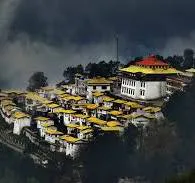
The Arunachal Pradesh & Assam Trail (The High-Altitude & Wildlife Expedition): For travelers seeking a mix of wildlife and dramatic mountain passes, combining Assam and western Arunachal Pradesh is ideal. Start with a rhinoceros safari at Kaziranga National Park in Assam before driving up into Arunachal through Bhalukpong and Dirang. The route culminates in Tawang, home to the massive 17th-century Tawang Monastery, high-altitude lakes, and the formidable Sela Pass.
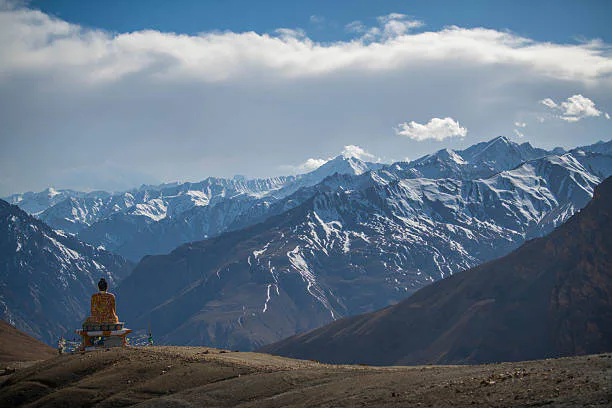
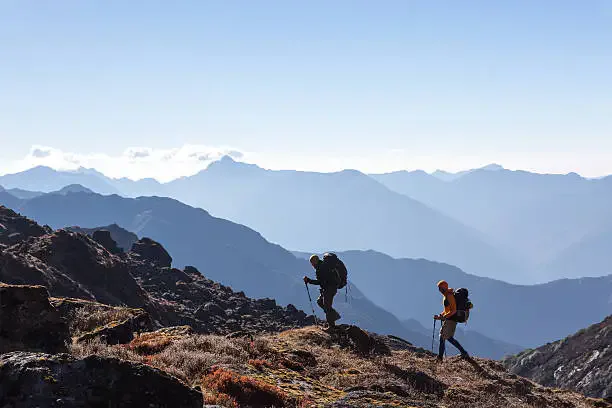
The Sikkim & Darjeeling Route (The Alpine Classic): Perfect for mountain and trekking enthusiasts, this route takes you from the foothills of West Bengal upward through Darjeeling's tea gardens and into Sikkim. Highlights include Gangtok, the scenic high-altitude Tsomgo Lake, the Indo-China border post at Nathu La Pass, and the breathtaking valleys of North Sikkim such as Lachen, Lachung, and Yumthang Valley.
Best Seasons to Visit
Northeast India's weather varies drastically between the tropical plains of Assam and the alpine heights of Arunachal Pradesh and Sikkim. Selecting the right season depends entirely on the activities you have planned.
October to May (The Optimal Dry Season): This is widely regarded as the best window for sightseeing, road trips, and trekking. Skies are generally crisp and clear, offering panoramic mountain views, and post-monsoon landscapes remain exceptionally lush and vibrant. Winter months (November to February) bring cooler temperatures and heavy snowfall in high-altitude zones like Tawang or North Sikkim, making them ideal for snow lovers, though certain mountain passes may experience temporary closures.
June to September (The Monsoon Wonderland): The monsoon transforms Meghalaya and parts of Assam into a dramatic landscape of roaring waterfalls and mist-shrouded valleys. However, continuous heavy downpours frequently trigger landslides and road blockages across mountain highways in Arunachal Pradesh, Sikkim, and Mizoram. Traveling during this period requires high flexibility and is best suited for experienced adventurers who do not mind itinerary disruptions.
Permits & Formalities
Due to the region's geopolitical sensitivity and proximity to international borders, government regulations require specific travel documents for both domestic and international visitors.
Inner Line Permit (ILP): Indian citizens traveling to Arunachal Pradesh, Nagaland, and Mizoram must secure an Inner Line Permit prior to arrival. These permits can be conveniently processed online or through designated state government offices and authorized tour operators. They are checked at state entry gates and are essential for verifying your duration of stay and designated route.
Protected Area Permit (PAP) & Restricted Area Permit (RAP): Foreign nationals are generally required to obtain Protected Area Permits or Restricted Area Permits to visit border states like Arunachal Pradesh and restricted pockets of Sikkim. Furthermore, traveling to remote border regions often requires group travel restrictions—meaning you may need to travel in a group of two or more people accompanied by a registered local guide. Always carry physical copies of your photo identification, passport, and multiple passport-size photographs throughout your journey.
Written by
Funtoor Travel Team
Travel planners based in Chail, Himachal Pradesh. We plan and arrange trips — stays, transport and experiences — across the Himalayas.