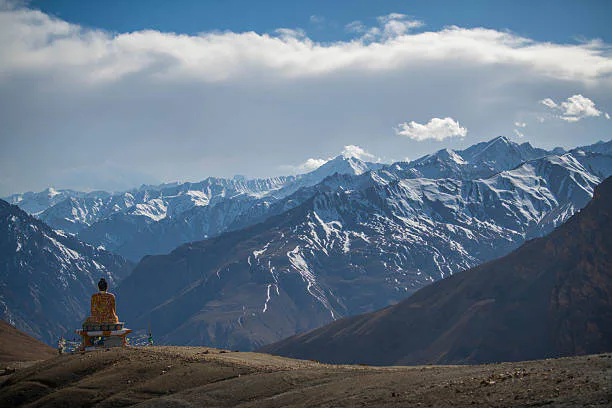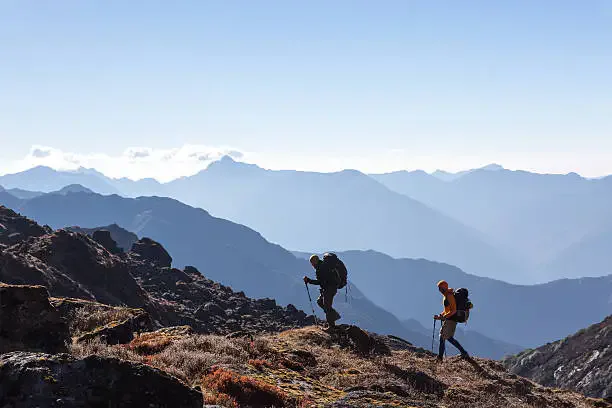
Visiting high-altitude destinations—such as Ladakh, Spiti Valley, Leh, high passes in Himachal Pradesh, or parts of Uttarakhand—offers some of the most awe-inspiring landscapes on earth. However, ascending rapidly into the mountains introduces unique environmental challenges that can catch first-time travelers off guard. Thin air, low atmospheric pressure, and sudden weather shifts require careful preparation to ensure your trip remains memorable for the right reasons.
Understanding a few core principles of high-altitude travel helps you stay safe, healthy, and comfortable.
1. Respect Acute Mountain Sickness (AMS)
The single biggest risk at high altitudes (generally anything above 8,000 feet or 2,400 meters) is Acute Mountain Sickness, caused by the decreasing availability of oxygen.
Common Symptoms: Mild symptoms include throbbing headaches, dizziness, fatigue, nausea, and insomnia. In severe cases, it can escalate to dangerous conditions like HAPE (fluid in the lungs) or HACE (swelling of the brain).
The Golden Rule: Never rush an ascent. If you are flying directly into high-altitude hubs like Leh, your body needs a mandatory minimum of 48 hours of complete rest to begin acclimatizing before you attempt heavy exertion or further travel to higher passes.
Medication: Consult a doctor about carrying preventative medication like Acetazolamide (Diamox), and stay alert to your body's signals. If symptoms worsen, descending to a lower altitude is the only reliable cure.
2. Prioritize Aggressive Hydration
At high altitudes, the air is extremely dry, and your body loses moisture rapidly through breathing and increased respiration rates.
Drink Constantly: Keep a water bottle with you at all times and sip water regularly throughout the day, even if you do not feel actively thirsty.
What to Avoid: Limit or completely avoid alcohol and excessive caffeine during your first few days in the mountains. Both substances accelerate dehydration and can mimic or worsen altitude sickness symptoms.
3. Eat Light and Digest Slowly
Your digestive system slows down at high altitudes because your body prioritizes oxygen delivery to vital organs like your brain and heart.
Dietary Choices: Opt for light, easily digestible, carbohydrate-rich meals (such as local rice, lentils, and soups) rather than heavy, greasy, or overly rich foods during your first few days.
Energy Management: Eat smaller, frequent meals instead of massive heavy feasts to prevent sluggishness and digestive distress.
4. Master the Art of Layering for Weather Shifts
Mountain weather is notoriously fickle. You can experience blistering sunshine, freezing winds, and sudden rain or snow all within the span of a single afternoon.
The Three-Layer System: Do not rely on one heavy jacket. Instead, use breathable base layers, insulating middle layers (like fleece or wool), and a windproof/waterproof outer shell. This allows you to easily add or shed clothing as temperatures fluctuate.
Sun Protection: The atmosphere is thinner at high altitudes, meaning UV radiation is significantly stronger. Always pack high-SPF sunscreen, polarized UV-blocking sunglasses, and a wide-brimmed hat or cap to prevent severe sunburns and snow blindness.
5. Pace Your Physical Exertion
Simple physical tasks—like walking up a single flight of stairs or carrying your backpack—will feel twice as exhausting at high altitudes.
Slow Down: Intentionally slow your walking pace. Give yourself permission to take frequent breaks and avoid pushing your physical limits until you are fully acclimatized.
Summary Checklist for High-Altitude Travel
Schedule 48 hours of low-activity rest upon arrival.
Drink significantly more water than you normally would.
Eat light, carb-heavy meals and avoid alcohol.
Dress in versatile layers and wear strong UV protection.
Listen to your body and never ignore persistent altitude sickness symptoms.
Written by
Funtoor Travel Team
Travel planners based in Chail, Himachal Pradesh. We plan and arrange trips — stays, transport and experiences — across the Himalayas.