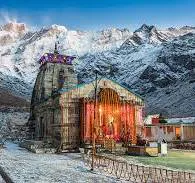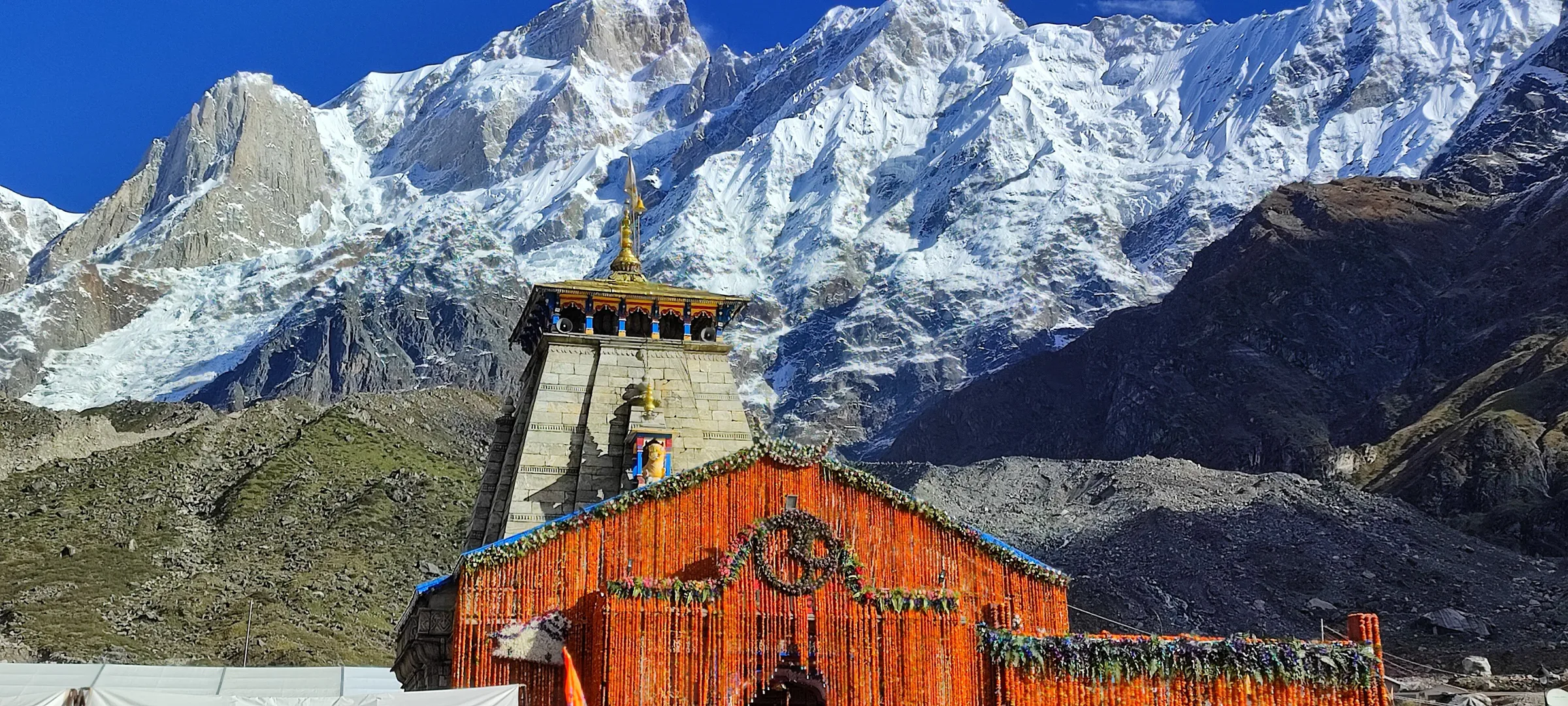
Kedarnath is one of the twelve Jyotirlinga shrines and part of the Char Dham circuit, sitting at 3,583 metres with the Kedarnath range as its backdrop. Getting there is part pilgrimage, part high-altitude trek, and thousands of travelers underestimate exactly how physically demanding it is. Here's a straightforward guide to planning it properly.
The Route: Gaurikund to Kedarnath
The trek starts at Gaurikund, the last motorable point, and covers roughly 16–18 km one way on a paved but steadily climbing trail, gaining about 1,500 metres in elevation. Most fit trekkers complete it in 7–9 hours; less experienced walkers should plan for a full day and consider breaking the return journey. Pony, palki (palanquin) and porter services are available at Gaurikund for those who can't walk the full distance.
Registration: Don't Skip This Step
Biometric registration is mandatory for every pilgrim and is done either online in advance through the Uttarakhand Char Dham Yatra portal or at registration counters in Sonprayag. Given the volume of pilgrims during peak season, registering online well ahead of your travel dates saves hours of queueing.
Helicopter Option
If the trek isn't feasible for you, helicopter services run from Phata, Sersi and Guptkashi directly to Kedarnath, cutting the journey to about 8–10 minutes each way. Seats sell out fast in peak season (May–June), so book at least a month in advance through the official IRCTC helicopter booking portal — be wary of third-party sites charging inflated prices.
Best Time to Visit
- May to June: The temple opens (usually late April/early May) to pleasant but chilly weather — this is peak season with the heaviest crowds.
- September to October (post-monsoon): Clearer skies, thinner crowds, and comfortable trekking conditions — our recommended window.
- July–August: Avoid if possible. Monsoon rain brings a real landslide risk on the Rudraprayag–Sonprayag stretch.
- November onward: The temple closes for winter as snow makes the route inaccessible, with the deity ceremonially moved to Ukhimath.
Altitude and Fitness
Kedarnath's elevation is enough to trigger mild altitude sickness in unacclimatized trekkers, especially if you rush the climb. Start early, pace yourself, stay hydrated, and avoid alcohol the night before. If you have heart or respiratory conditions, get medical clearance and strongly consider the helicopter option instead.
What to Pack
- Layered clothing — temperatures swing sharply between Gaurikund and Kedarnath
- A good rain jacket regardless of season
- Trekking shoes with solid grip (the trail is paved but often wet)
- A walking stick — widely available for rent at Gaurikund
- Basic medication, including something for altitude and motion sickness
Where to Stay
Sonprayag and Guptkashi have the widest range of hotels and guesthouses and make sensible overnight bases before the trek. Limited GMVN guesthouses and dharamshalas are also available directly in Kedarnath for those doing the full round trip in a single extended day.
Planning to combine Kedarnath with the rest of the Char Dham circuit or other Himalayan treks? Our team can help build a realistic multi-day itinerary that accounts for altitude, road conditions and registration timelines — reach out to start planning.
Written by
Funtoor Travel Team
Travel planners based in Chail, Himachal Pradesh. We plan and arrange trips — stays, transport and experiences — across the Himalayas.