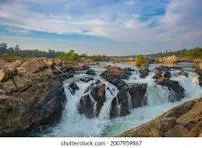
While Puri and Bhubaneswar anchor the state's popular temple trails, exploring Odisha beyond its major urban hubs reveals a wild, culturally rich, and geographically diverse landscape. From sprawling wildlife sanctuaries and tranquil hill stations to ancient Buddhist complexes and remote indigenous communities, venturing off the beaten path showcases the true ecological and cultural depth of eastern India.
1. Ecological Havens and Wildlife Wonders
Odisha’s natural topography ranges from vast coastal lagoons to dense, protected rainforests:
Chilika Lake: As Asia's largest brackish water lagoon, Chilika is a premier eco-tourism destination. During the winter months, it hosts hundreds of thousands of migratory birds. Boat safaris from Satapada or Rambha also offer a chance to spot the rare and playful Irrawaddy dolphins.
Bhitarkanika National Park: Often referred to as the "Mini-Amazon" of India, this dense labyrinth of mangrove forests, tidal creeks, and rivers is home to a thriving population of massive saltwater crocodiles, pythons, and diverse birdlife. Adjacent Gahirmatha Beach serves as the world's largest nesting ground for endangered Olive Ridley sea turtles.
Similipal National Park: A vast biosphere reserve in northern Odisha featuring dense sal forests, rolling hills, and majestic waterfalls like Barehipani and Joranda. It is a vital sanctuary for leopards, elephants, and tigers.
2. Scenic Landscapes and Hill Stations
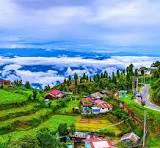
Daringbadi: Popularly known as the "Kashmir of Odisha," this quiet hill station sits at an elevation of over 3,000 feet. Surrounded by pine forests, coffee plantations, and rolling valleys, it offers a cool, refreshing climate, mist-covered mornings, and quiet waterfalls.
3. Ancient History and Archaeological Trails
The Diamond Triangle (Ratnagiri, Lalitgiri, and Udayagiri): Located in the Jajpur district, these monastic complexes represent a magnificent chapter of ancient Indian Buddhism. Dating from the 5th to the 13th century CE, they feature massive brick stupas, intricately carved stone doorways, stone Buddha sculptures, and ancient relics that rival major Buddhist sites across the country.
4. Deep Tribal Heritage and Indigenous Culture
Koraput and Southern Odisha: Tucked away in the forested hills of southern Odisha, districts like Koraput and Rayagada are home to dozens of distinct indigenous tribal communities, such as the Bonda, Dongria Kondh, and Paraja. Visiting this region offers a respectful glimpse into ancient animistic traditions, unique architectural styles, and vibrant weekly markets (haats) where traditional crafts and organic goods are traded.
Practical Travel Tips for Exploring Beyond the Cities
Transportation: Public transit is limited in remote areas like Koraput, Daringbadi, or Bhitarkanika. Hiring a private cab from Bhubaneswar or Cuttack for multi-day road trips is the most convenient way to travel.
Best Time to Visit: October to March provides optimal weather conditions for wildlife safaris, bird watching at Chilika, and exploring hill stations or archaeological sites comfortably.
Written by
Funtoor Travel Team
Travel planners based in Chail, Himachal Pradesh. We plan and arrange trips — stays, transport and experiences — across the Himalayas.