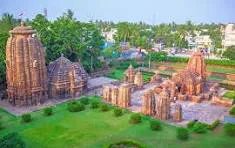
Perched along India's eastern coastline, Odisha (formerly Orissa) is a culturally rich and geographically diverse state that remains one of the country's most underrated travel destinations. Untouched by heavy commercial tourism, it offers a harmonious blend of ancient spiritual heritage, architectural marvels, pristine coastlines, dense wildlife sanctuaries, and vibrant indigenous traditions. Whether you are exploring centuries-old stone temples, relaxing on uncrowded golden-sand beaches, or witnessing rare wildlife, Odisha provides an authentic, deeply immersive travel experience.
1. The Golden Triangle of Odisha: Temples, Art, and Spirituality
Odisha's rich history is perhaps best defined by its monumental temple architecture, particularly the famed "Golden Triangle" formed by Bhubaneswar, Puri, and Konark.
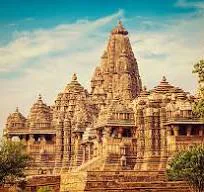
Bhubaneswar (The Temple City): As the capital city, Bhubaneswar once boasted over 700 temples dating back to the Kalinga architectural style. Key highlights include the grand Lingaraj Temple (an architectural masterpiece dedicated to Lord Shiva), the intricately carved Mukteshwar Temple (often called the gem of Orissan architecture), and the twin hills of Udayagiri and Khandagiri, which feature ancient Jain rock-cut caves and historical inscriptions dating back to the 1st century BCE.
Puri (The Sacred Coastal City): One of the four holy Char Dhams for Hindus, Puri is world-renowned for the Jagannath Temple, a towering 12th-century shrine famous for its monumental annual Rath Yatra (Chariot Festival). Beyond its spiritual significance, Puri offers a bustling beachfront culture where pilgrims and travelers gather along the shores of the Bay of Bengal.
Konark Sun Temple (The Architectural Marvel): Located just a short drive from Puri, the 13th-century Konark Sun Temple is a UNESCO World Heritage Site. Designed as a colossal stone chariot with 24 intricately carved wheels and pulled by seven horses, this architectural wonder was built by King Narasimhadeva I. Though partially in ruins, its stunning stone carvings, erotic sculptures, and astronomical precision continue to leave visitors spellbound.
2. Pristine Beaches and Coastal Escapes
With a long coastline stretching along the Bay of Bengal, Odisha is home to serene, unpolluted beaches that remain blissfully free of massive resort crowds.
Chandrabhaga Beach: Located near the Konark Sun Temple, this serene beach is famed for its golden sands and stunning sunrise views. Historically considered a sacred spot, it is also a designated Blue Flag beach known for its clean waters and ecological preservation.
Gopalpur-on-Sea: A historic port town turned quiet beach resort, Gopalpur offers calm waters, gentle sea breezes, and a laid-back atmosphere. It is an ideal spot for long walks, watching local fishermen launch their catamarans, and enjoying fresh coastal seafood.
Paradip and Puri Beaches: While Puri offers a vibrant, culturally charged beach experience, Puri's wider coastline and nearby stretches provide quieter alternatives for those looking to unwind by the surf.
3. Wildlife, Eco-Tourism, and Natural Wonders
Beyond its cultural landmarks, Odisha boasts remarkable ecological diversity, ranging from dense mangrove forests to vast wetland ecosystems teeming with migratory birds.
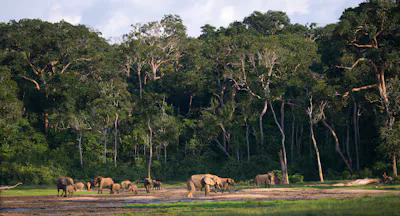
Bhitarkanika National Park: A sprawling labyrinth of creeks, rivers, and lush mangrove forests, Bhitarkanika is often called the "Mini-Amazon" of India. It is home to a massive population of saltwater crocodiles, Indian pythons, wild boars, and deer. It is also adjacent to Gahirmatha Beach, the world's most important nesting site for the endangered Olive Ridley sea turtles.
Chilika Lake: Asia’s largest brackish water lagoon and a Ramsar wetland site, Chilika Lake is a paradise for nature lovers and bird watchers. During the winter months, hundreds of thousands of migratory birds fly in from as far as Siberia. The lake is also famous for its population of rare Irrawaddy dolphins, which can be spotted during boat safaris out to spots like Satapada and Kalijai Island.
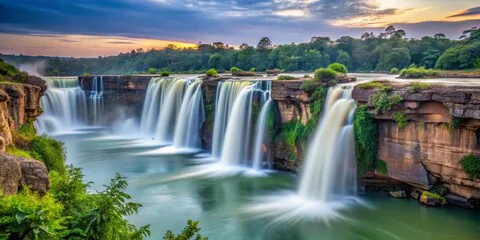
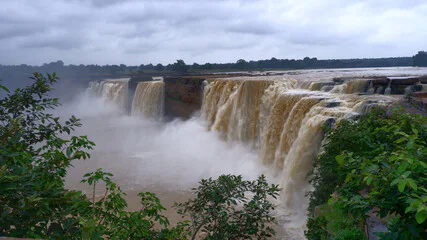
Similipal National Park: Located in northern Odisha, Similipal is a vast tiger reserve and biosphere rich in dense sal forests, rolling hills, cascading waterfalls (such as Barehipani and Joranda), and diverse wildlife, including leopards, elephants, and unique black tigers.
4. Indigenous Tribal Culture and Handlooms
Odisha is home to over 60 distinct indigenous tribal communities, predominantly residing in the hilly, forested southern districts like Koraput, Rayagada, and Mayurbhanj.
Tribal Heritage and Markets: A journey into southern Odisha offers a rare glimpse into ancient lifestyles, unique animistic traditions, and vibrant weekly markets (haats) where indigenous groups trade organic produce and traditional crafts.
Handlooms and Handicrafts: The state is globally celebrated for its textiles and crafts. Travelers can explore traditional weaving villages like Raghurajpur (a heritage crafts village near Puri famous for Pattachitra scroll painting, palm-leaf engraving, and stone carving) and purchase world-class handloom sarees such as Sambalpuri ikkat, Bomkai, and Berhampuri silk.
Practical Travel Information
Best Time to Visit: October to March is the ideal window. The weather is cool, dry, and comfortable for exploring outdoor monuments, attending winter cultural festivals (like the Konark Dance Festival), and wildlife safaris.
How to Get There: Bhubaneswar (BBI) serves as the primary international airport and railway hub, offering excellent connectivity to major Indian cities like Delhi, Kolkata, Mumbai, and Bengaluru. From Bhubaneswar, well-maintained road networks and train lines connect travelers easily to Puri, Konark, Chilika, and Gopalpur.
Written by
Funtoor Travel Team
Travel planners based in Chail, Himachal Pradesh. We plan and arrange trips — stays, transport and experiences — across the Himalayas.