As India's cultural capital, Kolkata (formerly Calcutta) is a city defined by its rich intellectual history, striking colonial-era architecture, bustling street life, and legendary culinary traditions. Unlike other modern Indian metropolises, Kolkata retains a distinct old-world charm where yellow Ambassador taxis, historic tram lines, hand-pulled rickshaws, and vibrant artistic addas (conversations) remain woven into daily life.
1. Heritage Architecture and Iconic Landmarks
Kolkata’s skyline and neighborhoods reflect centuries of layered history, from British administrative grandeur to native Bengali heritage:
The Victoria Memorial: Perhaps the city's most famous landmark, this majestic white marble building was constructed during the British Raj in memory of Queen Victoria. Set amidst sprawling, manicured gardens and reflecting pools, it now houses a massive museum featuring colonial-era paintings, sculptures, and historical artifacts.
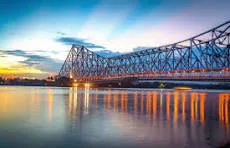
Howrah Bridge & Hooghly River: Spanning the Hooghly River, the iconic cantilevered Howrah Bridge is an engineering marvel that handles a staggering volume of daily pedestrian and vehicular traffic. Sunset views over the river from Prinsep Ghat or the riverbanks offer a quintessential Kolkata experience.
Dalhousie Square (B.B.D. Bagh): The historic heart of British Calcutta, surrounded by grand European-style administrative buildings like the General Post Office (GPO) and Writers' Buildings.
College Street: Known as "Boi Para" (Book Town), this bustling street is home to the largest second-hand book market in the world, flanked by historic educational institutions like Presidency University and the Calcutta University campus.
2. Spiritual and Cultural Hubs
Dakshineswar Kali Temple & Belur Math: Situated on opposite banks of the Hooghly River, Dakshineswar is a revered 19th-century temple dedicated to Goddess Kali, famously associated with the mystic Ramakrishna Paramahamsa. Directly across the river lies Belur Math, the headquarters of the Ramakrishna Mission, known for its architectural harmony and serene spiritual atmosphere.
Kalighat Temple: One of the 51 Shakti Peethas, drawing thousands of pilgrims daily to worship Goddess Kali in an intensely vibrant and traditional setting.
Art and Performance Spaces: The city pulses with artistic expression, hosting major cultural festivals (especially Durga Puja), classical music conferences, and historic theatres in areas like Shyambazar and Academy of Fine Arts near the Maidan.
3. The Culinary Capital: Street Food and Bengali Cuisine
Kolkata is widely considered a paradise for food lovers, offering everything from savory street snacks to rich, comforting meals and legendary sweets:
Street Food Culture: Iconic culinary hotspots include Park Street for continental dining and bakeries, New Market for old-school treats, and street corners serving legendary Kolkata Kathi Rolls (juicy kebabs wrapped in flaky parathas), Puchkas (spicy, tamarind-infused water golgappas), and Mughlai Parathas.
Authentic Bengali Thalis: Traditional meals centered around steamed rice, pungent mustard fish curries (Maachher Jhol), prawn malai curry, and vegetarian delicacies like Shukto.
Sweets (Mishti): No trip to Kolkata is complete without trying authentic Bengali confections, including spongy Rosogolla, cream-filled Sandesh, and sweet curd (Mishti Doi).
4. Planning Your Itinerary
Best Time to Visit: October to March offers the most pleasant weather for walking tours and outdoor sightseeing. Visiting during Durga Puja (typically September or October) provides an unmatched cultural spectacle as the entire city transforms into an open-air art gallery of elaborate community marquees (pandals).
Getting Around: Navigating the city is an experience in itself. Heritage options include riding the iconic blue and white electric trams or taking the country's oldest operating underground metro, alongside readily available yellow taxis and app-based cabs.
Written by
Funtoor Travel Team
Travel planners based in Chail, Himachal Pradesh. We plan and arrange trips — stays, transport and experiences — across the Himalayas.