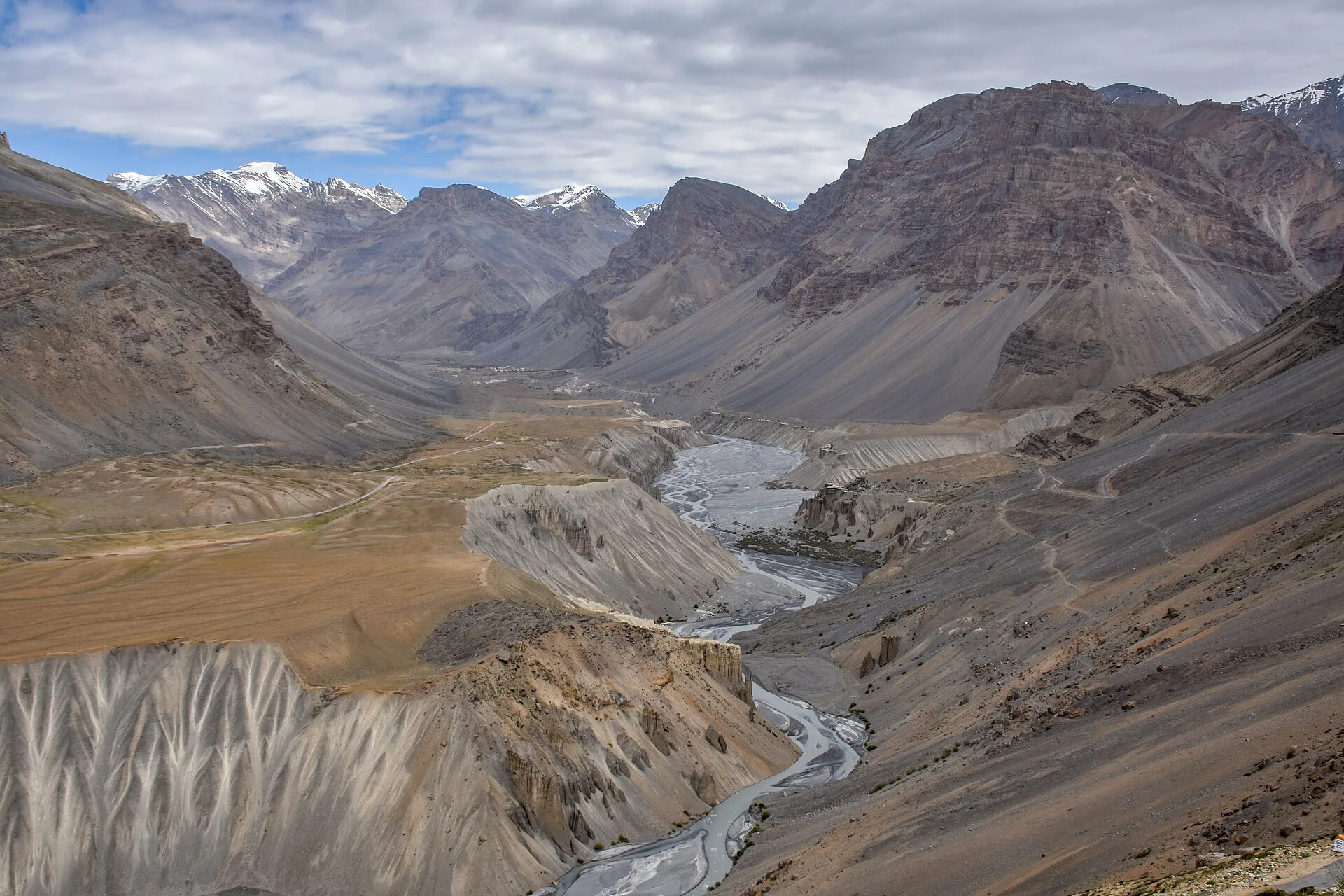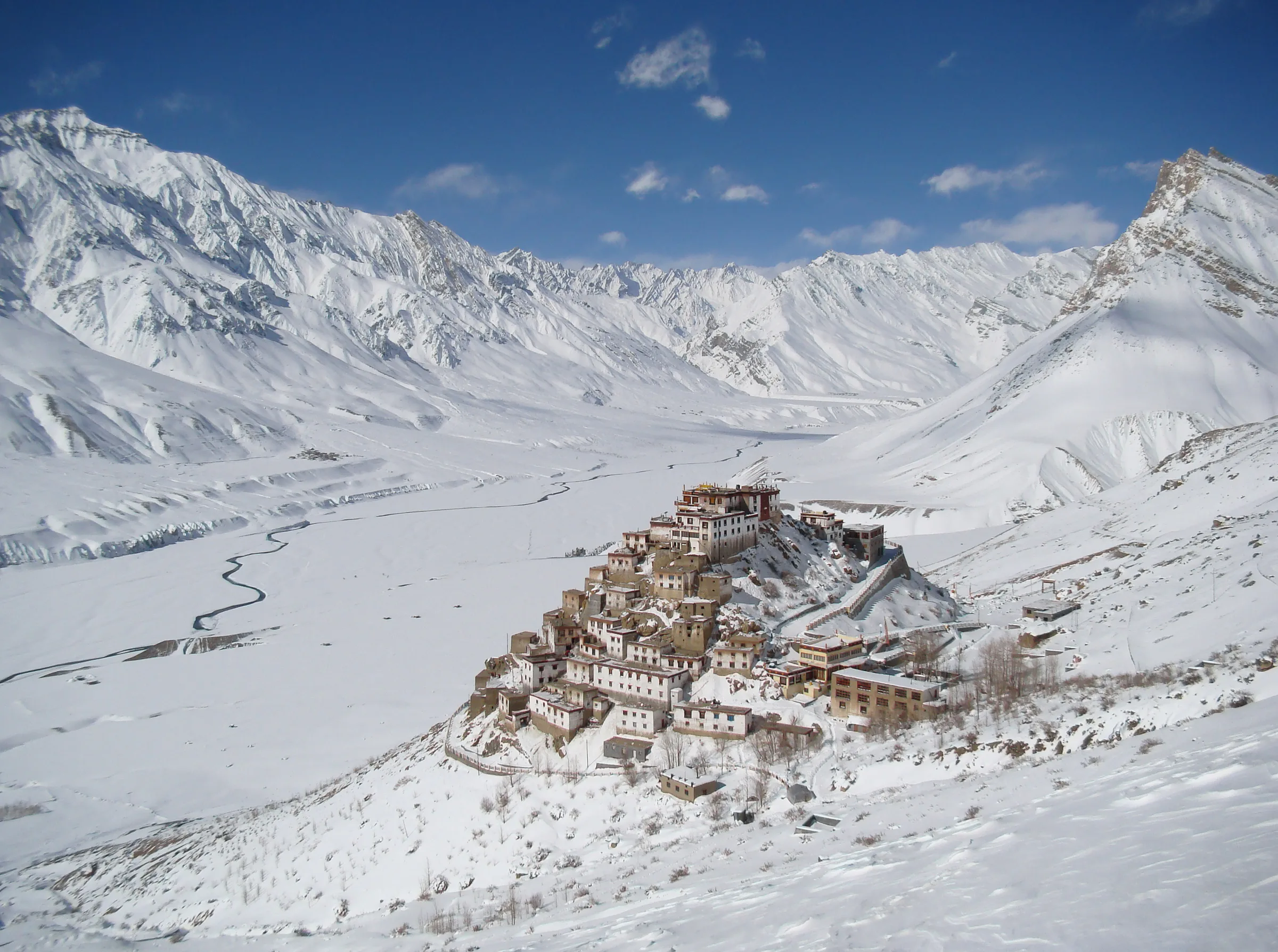
Spiti Valley is one of the few places in India where the calendar matters more than the guidebook. The cold desert that looks like a lunar landscape in July is buried under six feet of snow by January, and the road that carries a hundred cars a day in September can be completely shut for months in winter. Before you finalize dates for your Spiti Valley trip, here is what each season actually looks like on the ground.
Mid-May to June: Spiti Just Waking Up
This is when the Manali–Kaza road reopens after winter and the valley starts to green up along the riverbanks, even though the higher slopes stay bare and brown. Days are pleasant (12–22°C) and nights are cold enough for a proper jacket. It's a great window if you want fewer tourists and don't mind the odd snow patch still blocking Kunzum Pass early in the month.
July to Mid-September: The Classic Spiti Season
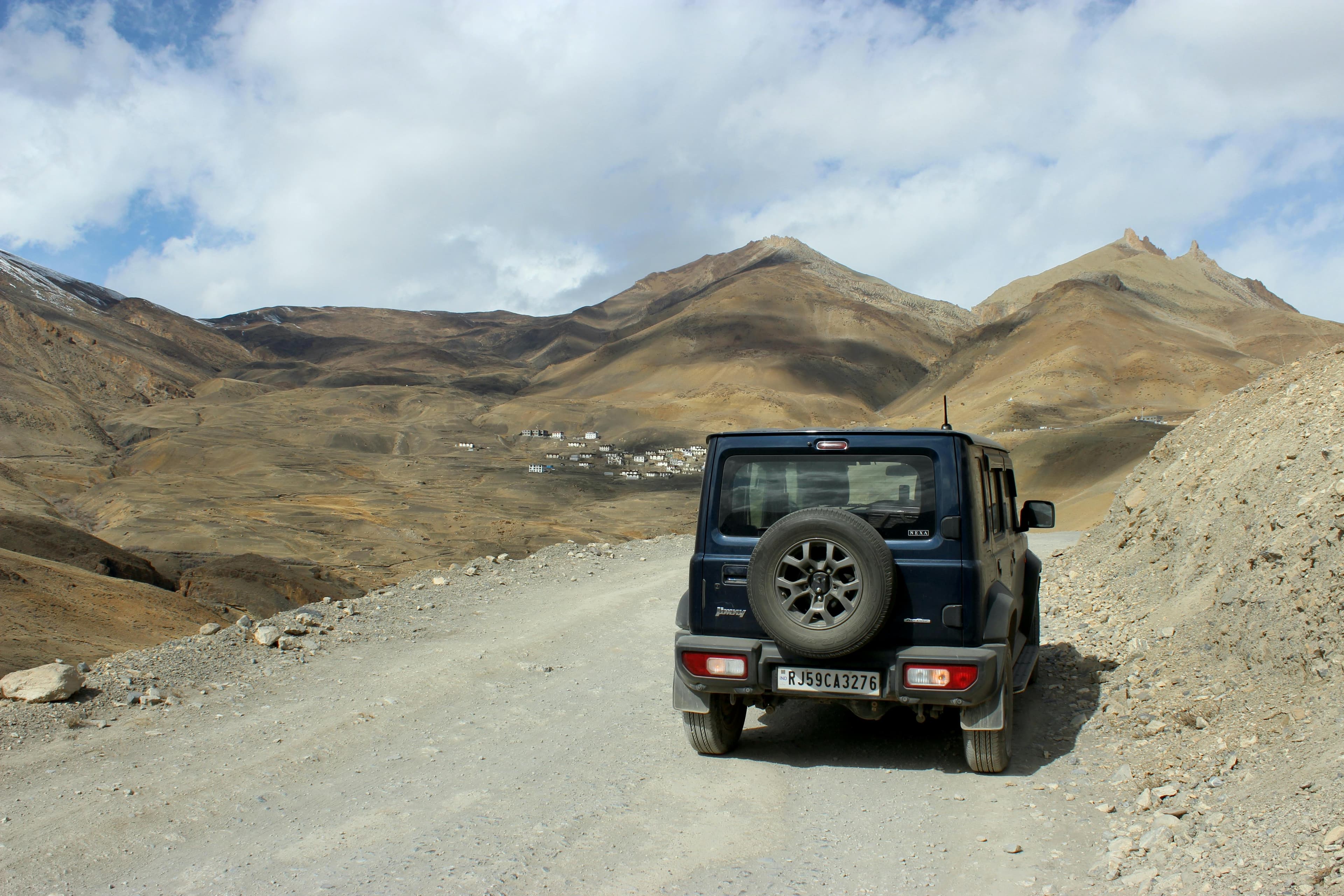
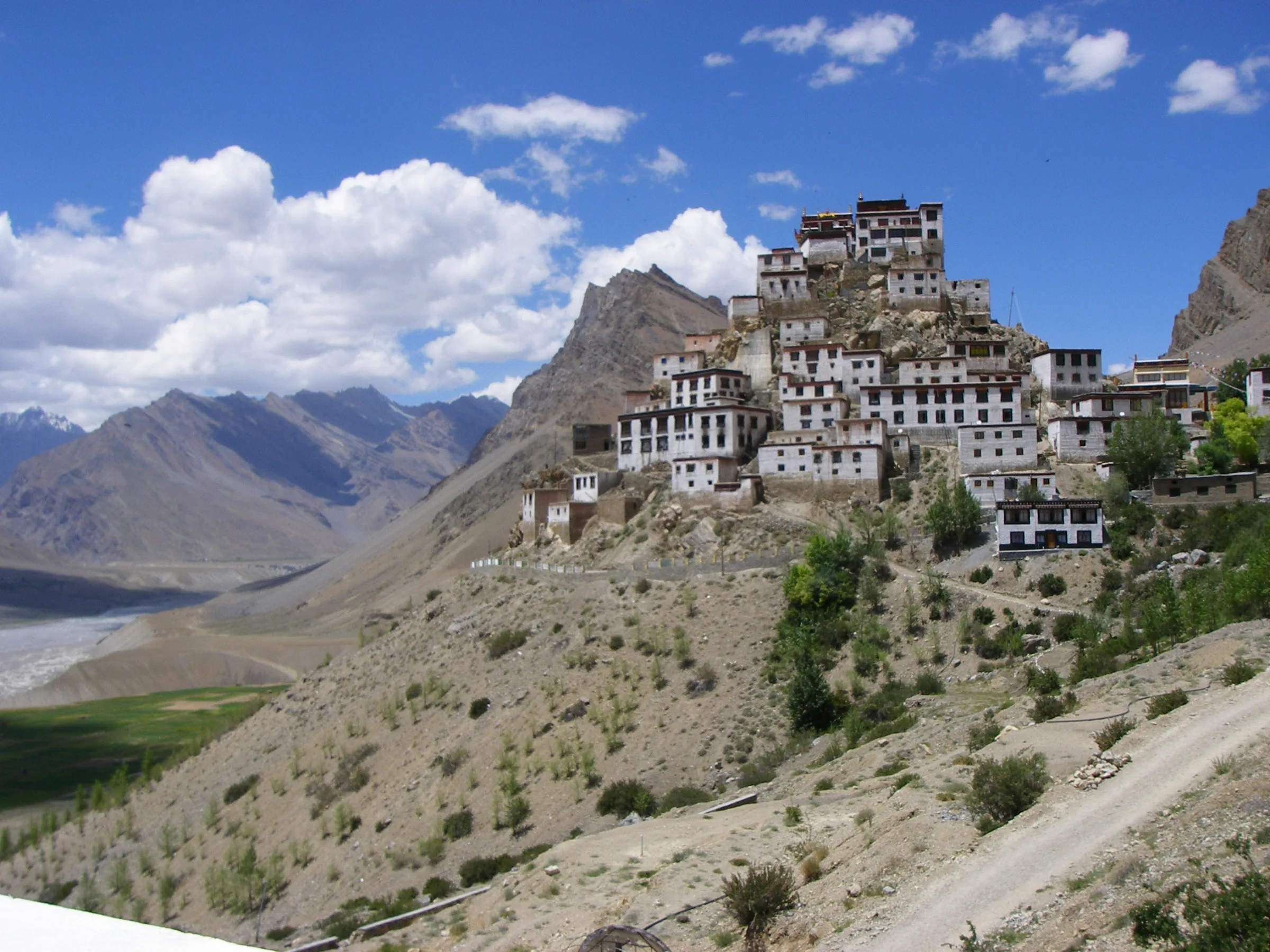
This is peak season for a reason. Both the Manali–Kaza and Shimla–Kaza routes are fully open, monasteries and homestays are running at full capacity, and you can comfortably cover Chandratal, Kaza, Key Monastery, Kibber, Langza, Hikkim and Chicham in a single loop. Expect daytime temperatures of 15–25°C and cool nights. The only downside is that late July and August can bring landslides on the Kinnaur side after heavy rain — check road advisories before you set out, and build a buffer day into your Spiti itinerary.
Late September to Mid-October: Golden Spiti
Locals will tell you this is the most beautiful stretch of the year — poplar and willow trees turn gold against the barren mountains, the sky is exceptionally clear, and tourist numbers drop sharply right after the long weekends end. Nights get noticeably colder (down to 0–5°C), so pack accordingly. This is our recommended window for photographers and anyone who wants Spiti without the crowds.
November to April: Winter Spiti (For the Committed Few)
The Manali route shuts completely once Rohtang and Kunzum get heavy snowfall, so the only way in during peak winter is via Shimla–Kinnaur, and even that can close after fresh snow. Temperatures regularly fall below -15°C at night in Kaza and lower in villages like Komic and Losar. What you get in return is the legendary Spiti winter landscape — frozen waterfalls, snow-covered monasteries, and (if you're very lucky and very patient) a shot at spotting the elusive snow leopard around Kibber and Chicham, usually on a dedicated winter wildlife trip rather than a standard tour.
Our Recommendation
- First-time visitors: Late June to mid-September for reliable roads and full accessibility.
- Photographers and repeat travelers: Last week of September into early October for the golden foliage and thin crowds.
- Adventure seekers and snow leopard trackers: January to February, only with an experienced local operator and proper winter gear.
Whichever season you pick, altitude sickness is a real risk above 3,000m — build in acclimatization days rather than rushing straight to Kaza. If you'd rather not plan the logistics yourself, our team runs guided Spiti Valley road trips timed to the best weather windows each year.
Written by
Funtoor Travel Team
Travel planners based in Chail, Himachal Pradesh. We plan and arrange trips — stays, transport and experiences — across the Himalayas.