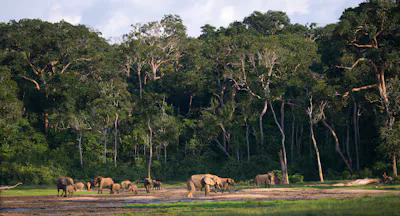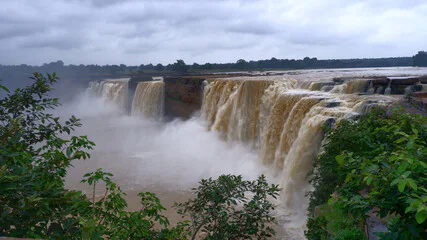
While often overlooked on conventional tourist itineraries, Chhattisgarh is one of India's most ecologically rich and visually stunning states. Over 40% of its terrain is covered in dense, emerald forests, hiding a dramatic network of rivers, plunging gorges, and limestone caves. Known for its pristine, crowd-free environment, the state is an exceptional destination for eco-tourists, landscape photographers, and travelers seeking raw, uncommercialized nature.
Key Waterfalls and Natural Attractions
1. Chitrakote Waterfall: The Niagara of India
The Spectacle: Located on the Indravati River in Bastar district, Chitrakote is the widest waterfall in India. During the peak monsoon season, it stretches into a breathtaking, roaring horseshoe curve nearly 300 meters wide.
The Experience: The misty spray, thundering roar, and changing colors of the water (from muddy brown in the monsoons to a crystal-clear blue-green in the winter months) make it a mesmerizing sight. Visitors can take traditional boat rides right up to the base of the falls or enjoy panoramic viewpoints from the cliffs above.
2. Tirathgarh Falls and Kanger Valley National Park
Tirathgarh Falls: Situated within the lush Kanger Valley National Park, this stunning multi-tiered waterfall plunges over 300 feet in cascading steps down a series of block-like rock formations.
Kanger Valley: The surrounding national park is a dense biosphere featuring deep valleys, towering Sal and teak trees, perennial streams, and rich wildlife including leopards, striped hyenas, and numerous bird species.
Kutumsar and Kailash Caves: Located nearby within the park, these ancient limestone cave systems are famous for their remarkable stalactite and stalagmite formations, adding an element of underground exploration to the trip.
3. Offbeat Cascades and Eco-Spots
Ghatarani and Jhanjhari Falls: Located near Raipur, Ghatarani is the largest waterfall in the region, set amidst a thickly forested temple complex. It offers shallow wading pools and a serene atmosphere, making it a favorite for weekend picnics.
Tamra Ghoomar and Mandi Waterfalls: Tucked away in the Bastar region, these hidden gems offer dramatic drops surrounded by untouched wilderness, requiring short, scenic treks to reach.
Chaiturgarh (Hasdeo Bango): A historic hill fort surrounded by dense forests, scenic lakes, and cascading streams, blending ancient ruins with wild natural beauty.
Practical Travel Information & Itinerary Planning
Best Time to Visit:
July to October (Monsoon): The waterfalls are at their absolute peak power, thunderous, and surrounded by vibrant green landscapes.
November to February (Winter): The weather is cool and pleasant for trekking and exploring, and water flows remain strong while rivers become clearer.
Typical Itinerary Structure: A focused nature expedition centered around the Bastar region typically requires 4 to 5 days, flying into Raipur or Jagdalpur and taking road trips to explore Chitrakote, Tirathgarh, and the surrounding tribal hinterlands.
Cultural Integration: A trip to Chhattisgarh's natural landscapes is deeply intertwined with indigenous culture. The regions surrounding these waterfalls (especially Bastar) are home to vibrant local tribes renowned for their exquisite bell-metal (Dhokra) craft, terracotta art, and weekly village markets (haats).
Written by
Funtoor Travel Team
Travel planners based in Chail, Himachal Pradesh. We plan and arrange trips — stays, transport and experiences — across the Himalayas.