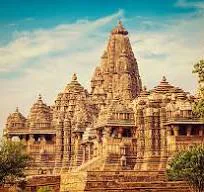
A trip to Khajuraho in Madhya Pradesh offers a unique window into India's medieval architectural and artistic zenith. Built primarily between 950 and 1050 CE by the Chandela dynasty, the monuments of Khajuraho are celebrated worldwide as a UNESCO World Heritage Site. While globally famous for their intricate erotic sculptures, the temples actually present a comprehensive depiction of ancient Indian life, spirituality, mythology, and philosophy, all carved in rich sandstone.
Key Destinations and Highlights
1. The UNESCO World Heritage Temples
The surviving temples are divided into three distinct geographical groups:
Western Group of Temples: The largest and most famous cluster, enclosed within a well-maintained archaeological park. Key highlights include:
Kandariya Mahadeva Temple: The largest and most evolved temple in Khajuraho, dedicated to Lord Shiva, featuring soaring spires and thousands of stunningly detailed sculptures.
Lakshmana Temple: An exceptionally well-preserved Vaishnavite temple displaying complete architectural symmetry and intricate friezes.
Matangeshwar Temple: The only temple in the complex still actively used for daily worship, dedicated to Lord Shiva.
Chausath Yogini: The oldest surviving temple in the group, built of granite rather than sandstone, dedicated to the 64 tantric goddesses.
Eastern Group of Temples: Comprising a mix of Hindu and Jain temples, highlighting the religious harmony of the era. Key sites include the Parsvanath Temple (known for its exquisite bracket figures and detailed carvings) and the Adinath and Shantinath Jain temples.
Southern Group of Temples: Located a bit further out, featuring the Duladeo Temple (famous for its flying apsaras and decorative pillars) and the Chatturbhuj Temple, which houses a massive, imposing image of Lord Vishnu.
2. Cultural Experiences & Local Attractions
Sound and Light Show: Held every evening at the Western Group complex, this dramatic show narrates the history and philosophy of the Chandela rulers against the backdrop of the illuminated sandstone temples.
Khajuraho Dance Festival: An annual cultural extravaganza (usually held in February) showcasing classical Indian dance forms against the illuminated temple backdrop, drawing artists from across the globe.
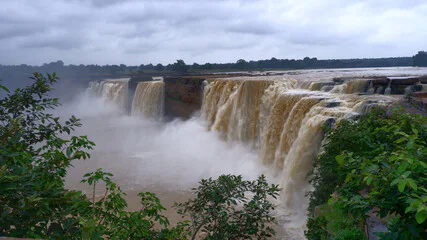
Raneh Falls and Ken Gharial Sanctuary: Located about 20 km from Khajuraho, this stunning natural site features a dramatic 30-meter deep canyon made of pure crystalline granite, alongside a sanctuary for gharials along the Ken River.
Ajaigarh Fort: An ancient hilltop fort situated about 30 km away, offering panoramic views, ruined temples, and a glimpse into the region's medieval history.
Practical Travel Information
Best Time to Visit: October to March, when the weather is cool and pleasant for exploring the outdoor temple complexes and attending cultural events.
Typical Itinerary Structure: A 2-day trip is ideal to thoroughly explore the Western, Eastern, and Southern temple groups, enjoy the evening light show, and take a half-day excursion to Raneh Falls or local artisan markets.
Travel Logistics: Khajuraho is easily accessible via its own airport (HJR), a well-connected railway station linked to major cities like Delhi, Agra, and Bhopal, and well-maintained road networks.
Written by
Funtoor Travel Team
Travel planners based in Chail, Himachal Pradesh. We plan and arrange trips — stays, transport and experiences — across the Himalayas.