When planning a wildlife safari in Madhya Pradesh, choosing between Kanha National Park and Bandhavgarh National Park depends heavily on what kind of safari experience you are seeking. While both are premier tiger reserves in Central India with thriving big cat populations, they offer drastically different landscapes, wildlife dynamics, and photographic opportunities.
1. Kanha National Park: The Cinematic Wilderness
The Landscape: Kanha is famously known as the inspiration behind Rudyard Kipling’s The Jungle Book. It is defined by sprawling golden grasslands (maidans) ringed by thick Sal and bamboo forests. These wide-open spaces provide incredible, cinematic backdrops for wildlife photography.
Wildlife Diversity: Beyond tigers, Kanha is celebrated as the sole refuge of the Barasingha (hard-ground swamp deer), which was brought back from the brink of extinction through dedicated conservation. The park is also one of the best places in India to spot packs of wild dogs (dholes), leopards, and diverse bird species.
The Safari Experience: Because Kanha is expansive, safaris feel like an immersive journey into how a wild ecosystem functions. Tracking tigers requires reading pugmarks and listening to alarm calls, making sightings feel deeply earned.
2. Bandhavgarh National Park: The Tiger Kingdom
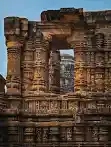
The Landscape: Bandhavgarh features a much more rugged, dramatic topography characterized by rocky hills, caves, and the historic ruins of an ancient fort looming over the reserve. The forest undergrowth is denser in parts, creating moody, atmospheric environmental portraits.
Tiger Density: Bandhavgarh boasts one of the highest densities of Bengal tigers in the world. Because its core tourism zones are more compact, tigers range closely together, giving visitors a higher statistical probability of a sighting within a compressed timeframe.
The Safari Experience: Action-oriented and fast-paced. If your primary objective is to maximize your chances of seeing a tiger within a tight 2-to-3-day window, Bandhavgarh is hard to beat. Encounters can happen quickly, sometimes right along the main tracks or near waterholes.
Practical Travel Information & Itinerary Planning
Combining Both Parks: If you have a week to spare (around 5 to 7 days), you do not necessarily have to choose. The two parks are separated by a scenic 5-to-6-hour road drive, making it popular to combine them into a single Central India wildlife expedition. A classic route involves flying into Jabalpur, heading south to Kanha, driving across to Bandhavgarh, and returning via Jabalpur.
Best Time to Visit:
October to February: Cool, comfortable weather with lush post-monsoon greenery; mornings can be quite cold.
March to May: Temperatures rise significantly, but this period offers exceptional visibility and prime tiger sightings as animals gather regularly around shrinking water sources.
Accessibility: Both parks are easily reached via Jabalpur airport, which sits roughly 3.5 to 4 hours away by road from either reserve.
Written by
Funtoor Travel Team
Travel planners based in Chail, Himachal Pradesh. We plan and arrange trips — stays, transport and experiences — across the Himalayas.