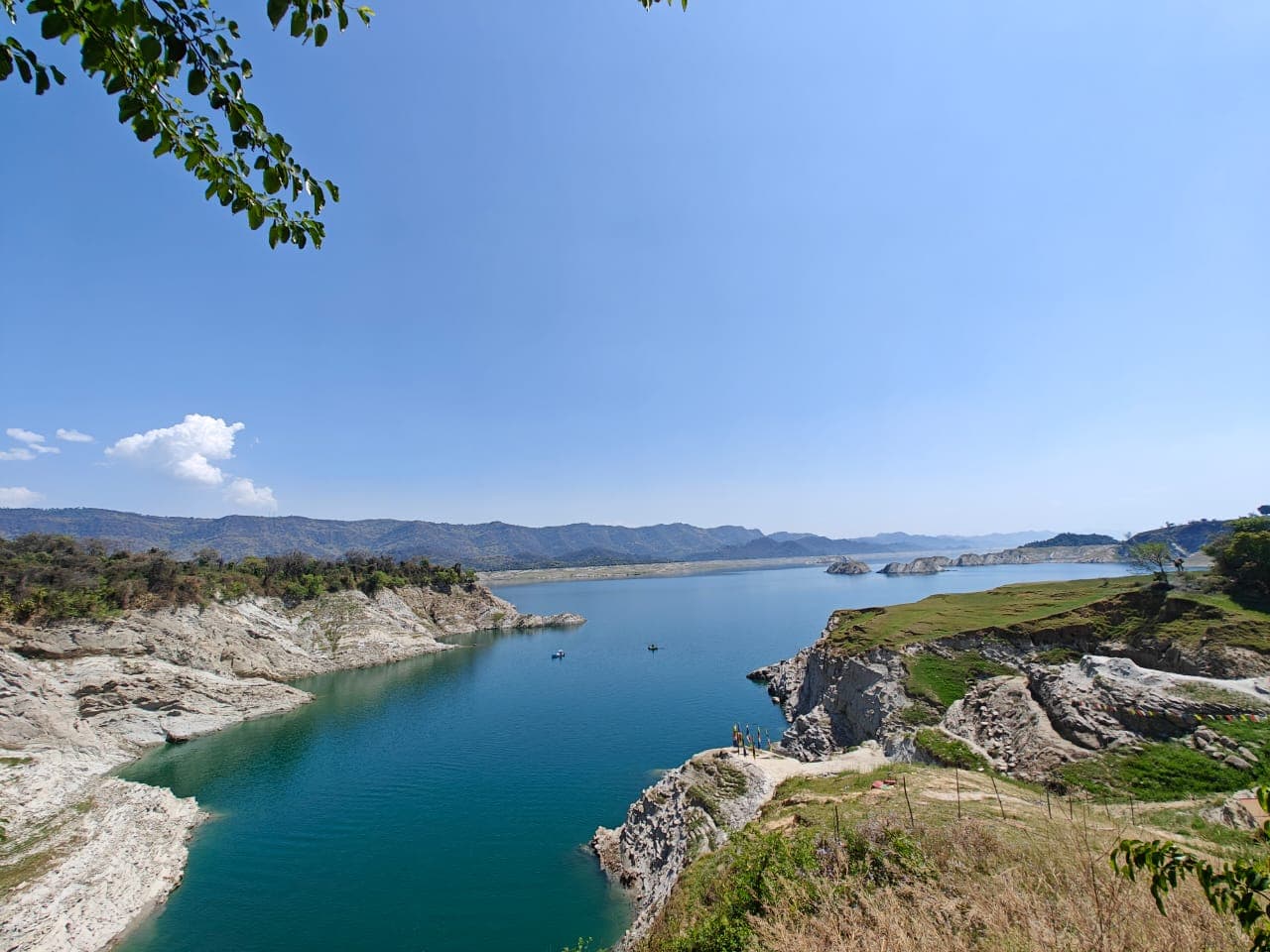
Short answer: Jibhi is a small forest village in the Banjar Valley of Kullu district, best visited from March to June or in October–November. Give it three days: one for the village and waterfall, one for Shoja, Jalori Pass and the walk to Serolsar Lake, and one slow day or a move to the Tirthan valley.
Jibhi is a small village in the Banjar Valley of Kullu district, known for wooden homestays, deodar forest and a short drive to Jalori Pass. It has become popular because it feels like old Himachal without the crowds of Manali — though weekends in season are busy, so go midweek if you can.
Where it is and how to reach it
Jibhi sits off the Aut–Banjar road in Kullu district. Reported distances and times vary by source, so treat these as a guide:
- From Delhi: roughly 500 km to the Jalori Pass area, about 12–14 hours by road. Many travellers take an overnight bus via Chandigarh.
- From Manali: roughly 100 km by road (check current conditions).
- From Shimla: a long day by bus via Narkanda, around 6 hours to the Jalori side as reported.
- Rail: there is no railway station at Jibhi; you reach a nearby station and continue by road.
- Within the valley: local buses run toward the pass a few times a day, or you can hire a taxi from Jibhi.
Our guide to reaching Manali from Delhi covers the first part of the journey if you are routing via Kullu.
What to do in and around Jibhi
Jibhi Waterfall and the village walks
A short walk from the main stretch, with forest trails and viewpoints. It is an easy first-day outing.
Shoja and Jalori Pass
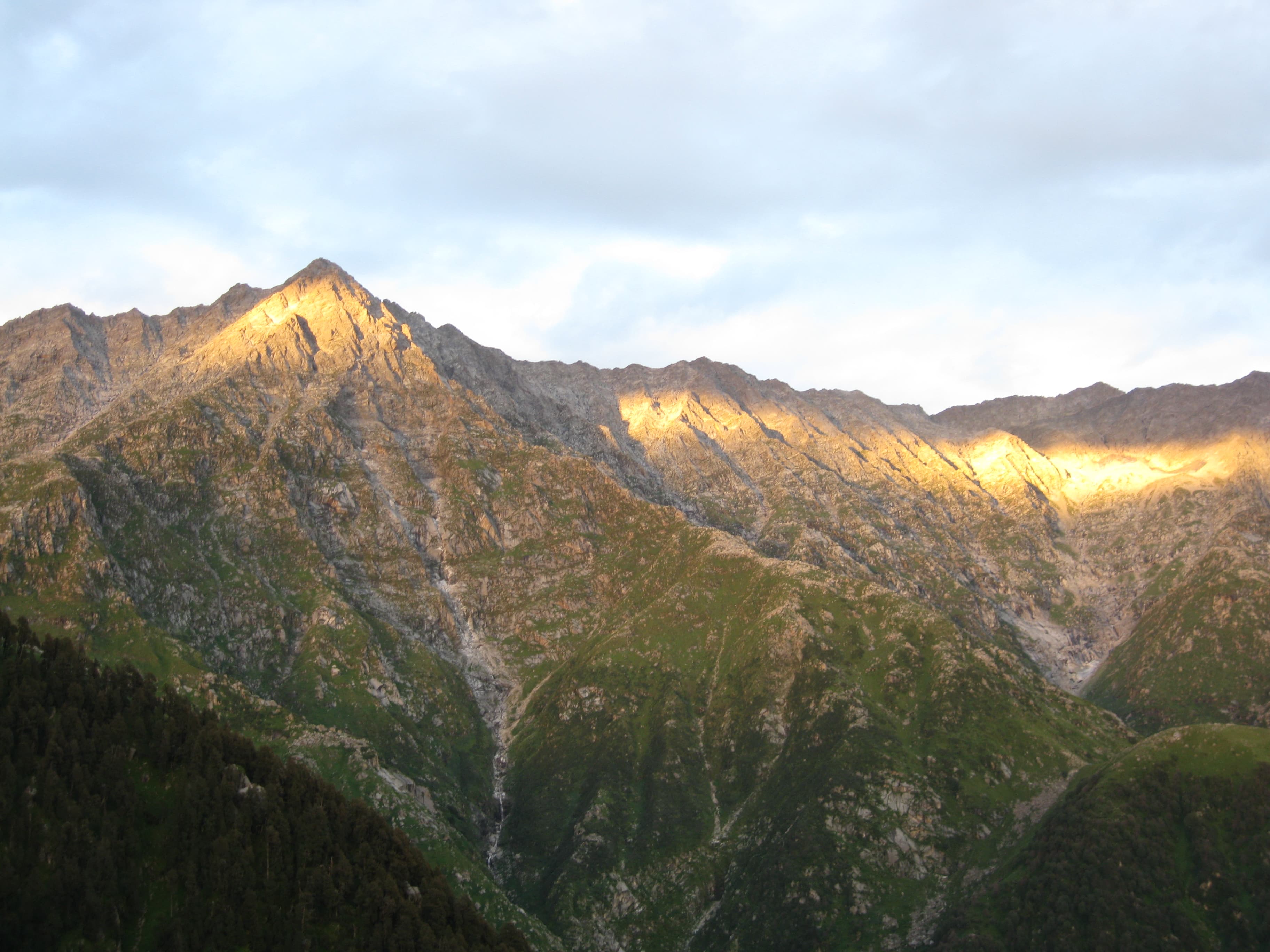
Shoja is a small hamlet higher up, reported at about 8 km from Jibhi. Jalori Pass is a little further, at roughly 3,100–3,200 m (sources differ). The pass is a viewpoint and a trailhead; in peak winter it may close with snow.
Serolsar Lake
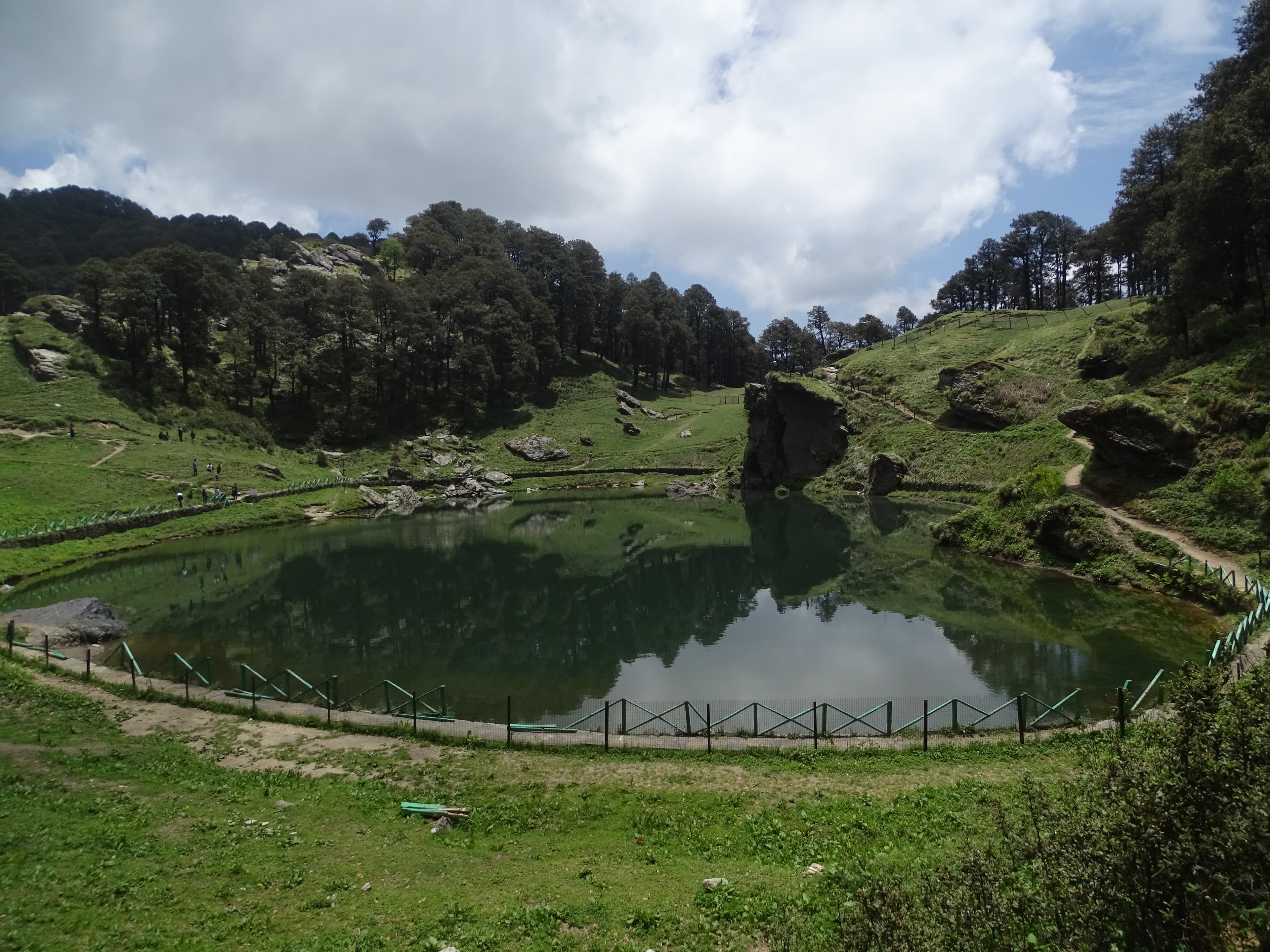
A forest lake reached on foot from Jalori Pass — commonly described as about 5 km each way and roughly 1.5 to 2 hours one way, depending on pace. Locals regard it as sacred, and there is a nearby temple. Wear proper shoes and start early so you are not walking back in the dark.
Raghupur Fort and Chehni Kothi
These are often listed as hikes from the Jibhi–Shoja area. We found little reliable detail on route and difficulty, so ask your host for current directions.
Tirthan Valley
The nearby Tirthan valley is quieter still: riverside stays and walks. It pairs well with Jibhi in a single trip — see our Jibhi and Tirthan destination page.
A simple 3-day plan
- Day 1: Arrive, settle in, walk to Jibhi Waterfall and the village.
- Day 2: Drive to Shoja and Jalori Pass in the morning; walk to Serolsar Lake and back; relaxed evening.
- Day 3: Slow morning, short forest walk, then onward to Tirthan, Manali or back toward Delhi/Chandigarh.
Add a fourth day in Tirthan if you want a quiet river stay.
Best time to visit
- March to June: pleasant weather and open trails.
- October to November: clear skies and cold nights; fewer people.
- July to September: monsoon — green, but landslides and delays are possible.
- December to February: cold and beautiful, but Jalori may close and some stays shut. Check before you go.
Where to stay
Jibhi is known for small wooden homestays and cottages. Quality varies a lot — ask about heating, hot water, road access to the property and whether meals are included. We don’t quote room prices here because they change by season.
Planning tips
- Roads in the valley are narrow; a driver used to hill roads makes a big difference.
- Network is patchy. Download maps and keep cash.
- Avoid driving at night.
- Respect the forest and village life; carry your waste out.
Want your Jibhi trip arranged?
Tell Funtoor your dates and group, and we’ll plan the route, stays and transport, and tell you what the plan involves. You can also look at our Jibhi & Tirthan Valley package and ask us to customise it.
What drives the cost
Homestay rates in Jibhi vary widely by season and by how remote the property is, and weekends cost more than weekdays. Transport is the other main cost: a taxi for the Jalori day, and the long journey in and out. We have not listed prices because they change; ask for a quote for your dates.
Official sources to check
Frequently asked questions
How many days are enough for Jibhi?
Three days is comfortable; two works if you limit yourself to Jibhi and Jalori.
Is Jibhi good in winter?
It can be very beautiful, but it is cold and access to Jalori Pass may be closed. Choose a stay with proper heating and confirm road conditions.
How far is Serolsar Lake from Jalori Pass?
Commonly described as about 5 km on foot from the pass, taking around 1.5–2 hours one way. Times vary with fitness and conditions.
Is Jibhi suitable for families?
Yes for the village and waterfall; the Serolsar walk is long for small children. Choose activities by your slowest walker.
Compiled by the Funtoor team from published sources and official pages, last reviewed in October 2026. It is a planning guide, not a first-hand trip report; conditions in the mountains change quickly, so confirm anything time-sensitive before you travel.
Written by
Funtoor Travel Team
Travel planners based in Chail, Himachal Pradesh. We plan and arrange trips — stays, transport and experiences — across the Himalayas.