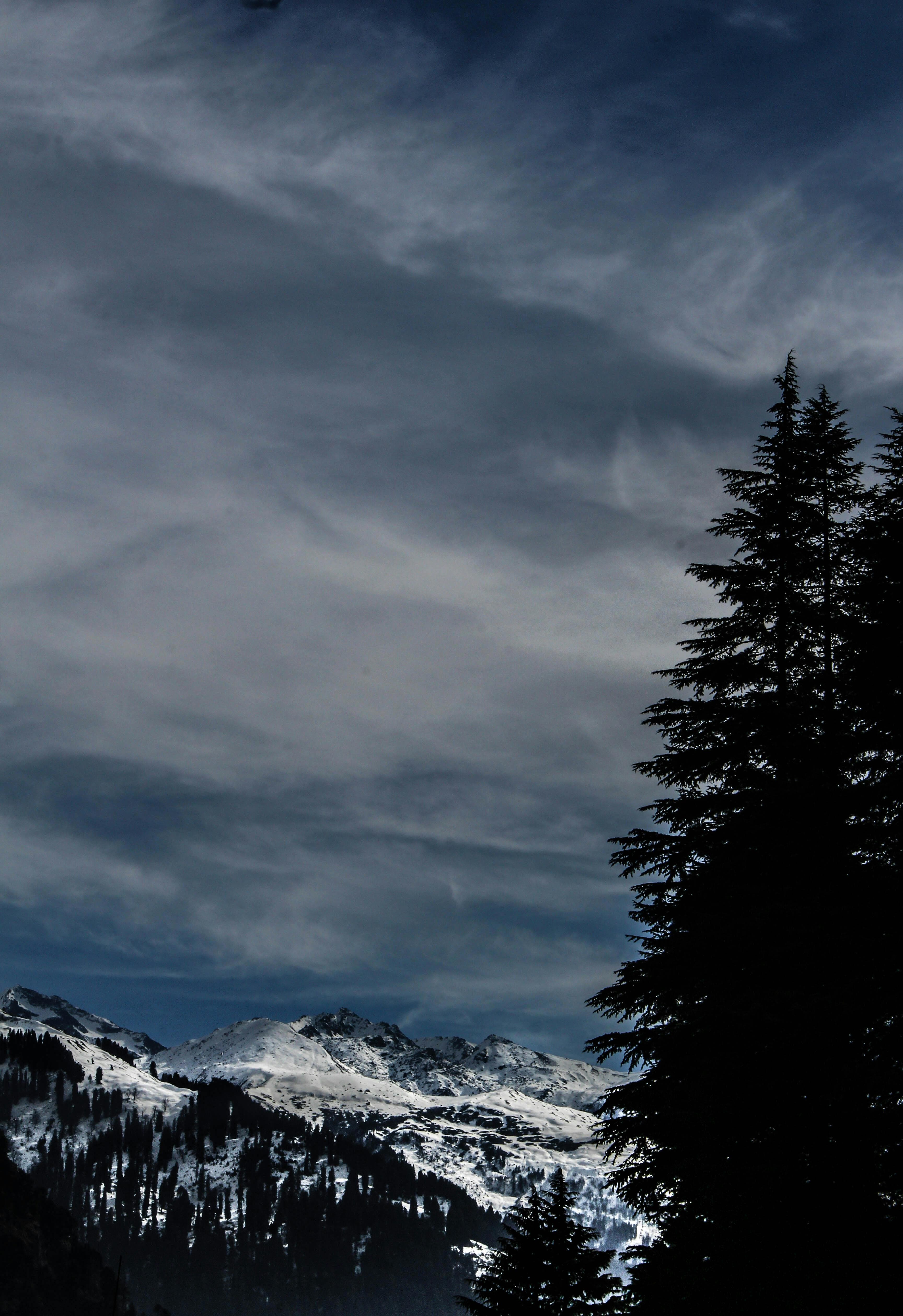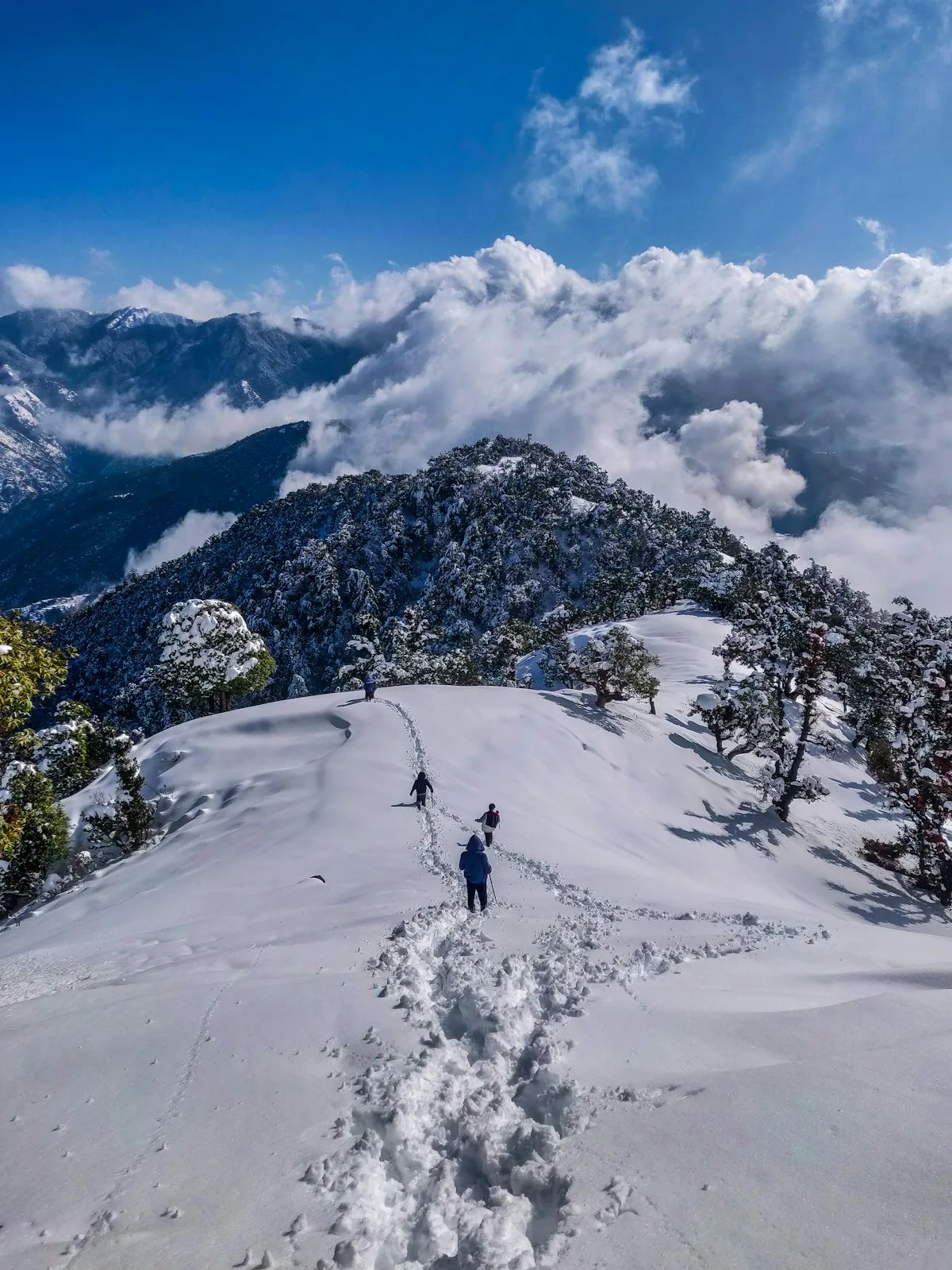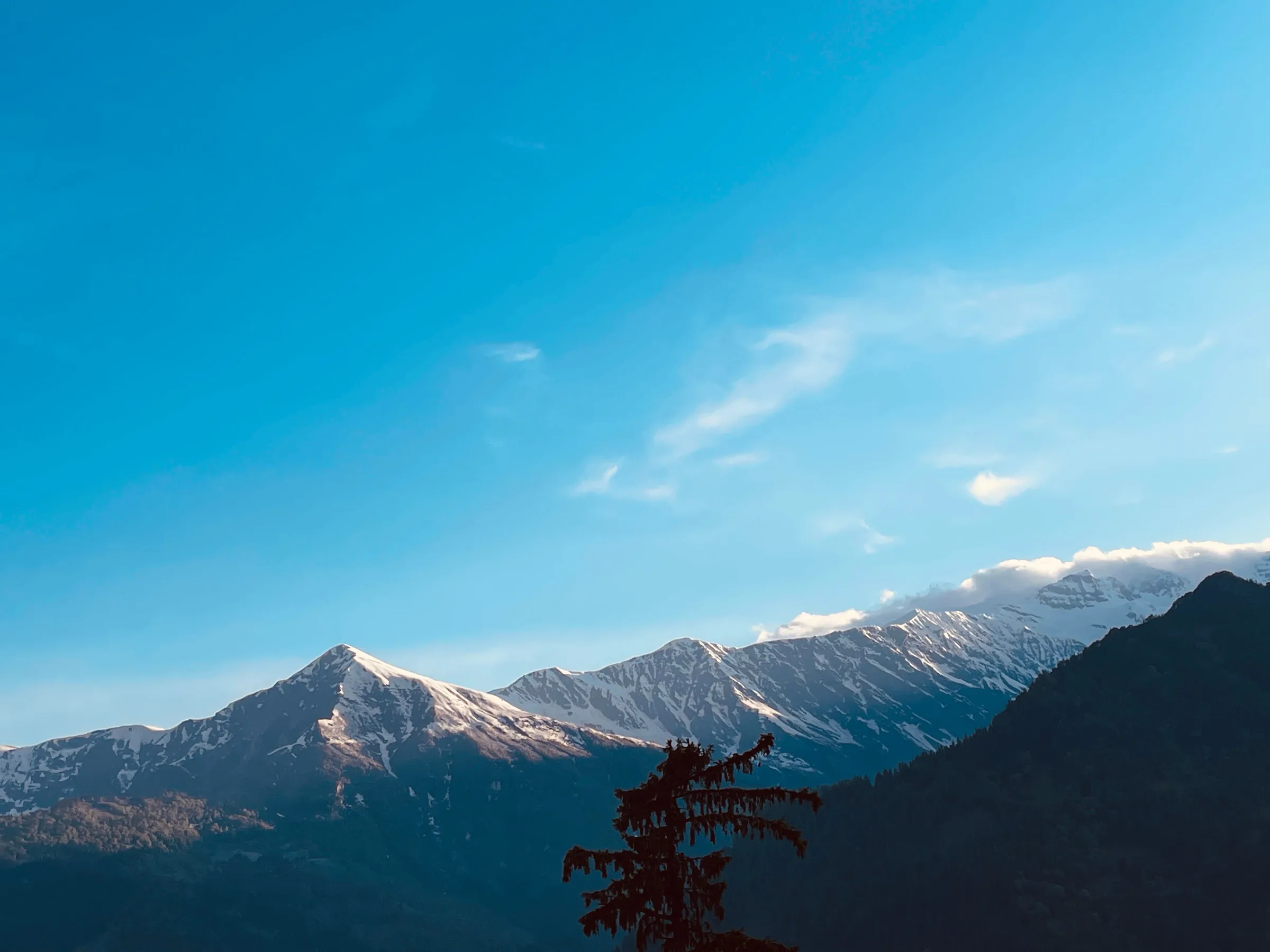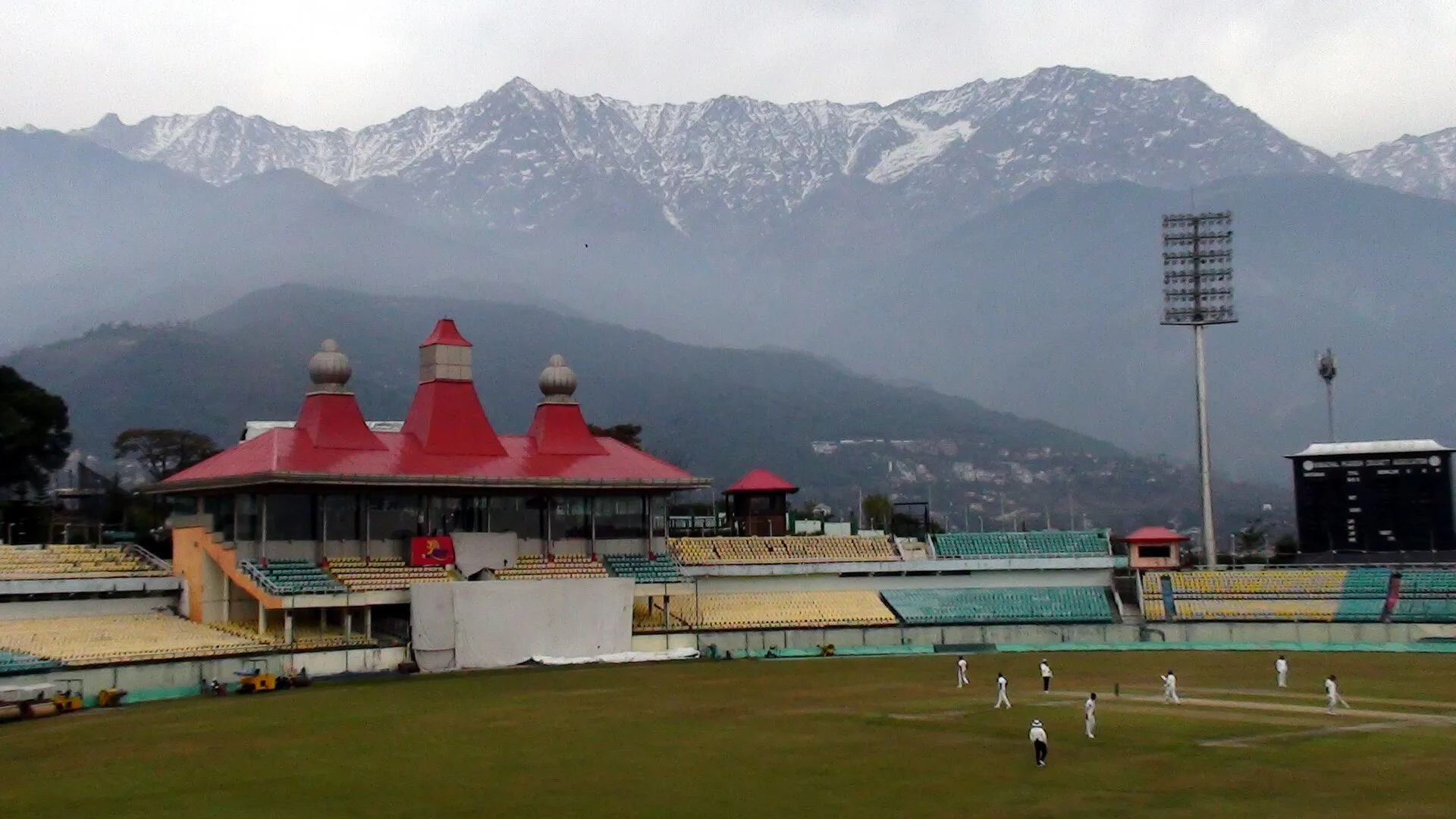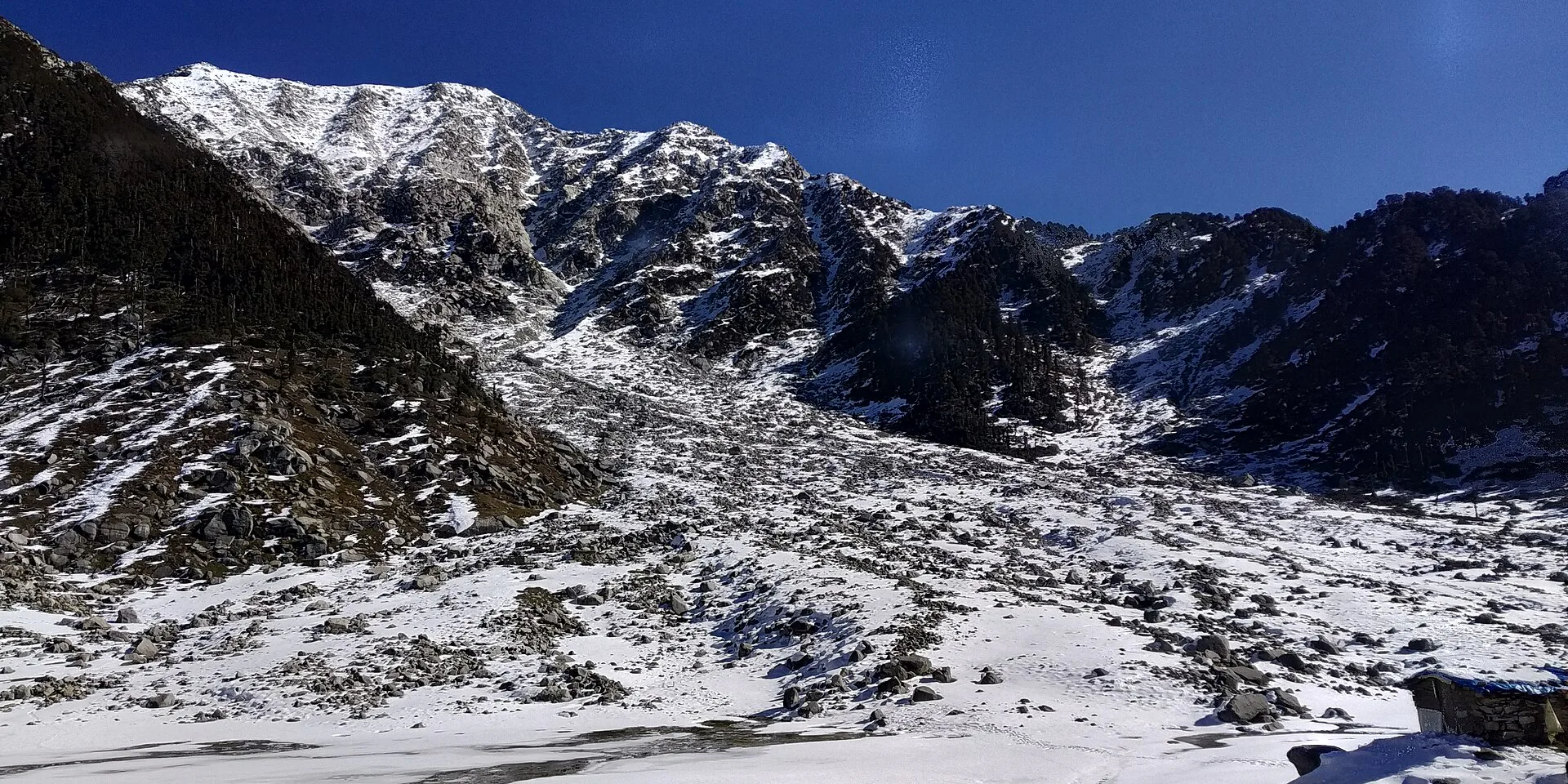
Short answer: Winters are cold: published January averages are about 5°C at night and 15°C by day, with dips below freezing. Snow falls up the hill — in McLeod Ganj, Dharamkot, Naddi and above — not in lower Dharamshala, and is most likely from late December to February, with January the most dependable month. The Triund trail is often closed or difficult in January and February, and some guesthouses and cafés take a winter break.
Month by month
| Month | What to expect |
|---|---|
| Early December | Cold, mostly dry and clear; snow in town is unlikely |
| Late December | Colder; a fair chance of snow higher up; busy over Christmas and New Year |
| January | Coldest month and the best chance of snow in McLeod Ganj; quieter after the first week |
| February | Still cold, snow possible; Losar, the Tibetan New Year, usually falls in February or early March |
Snow on any given date is never guaranteed. For other options, see snowfall destinations in India.
Where to see snow
- From town: the Dhauladhar wall behind McLeod Ganj is white all winter, even when the streets are dry.
- Naddi and Dharamkot: higher than the main square, so they whiten first. Check locally whether the road is clear.
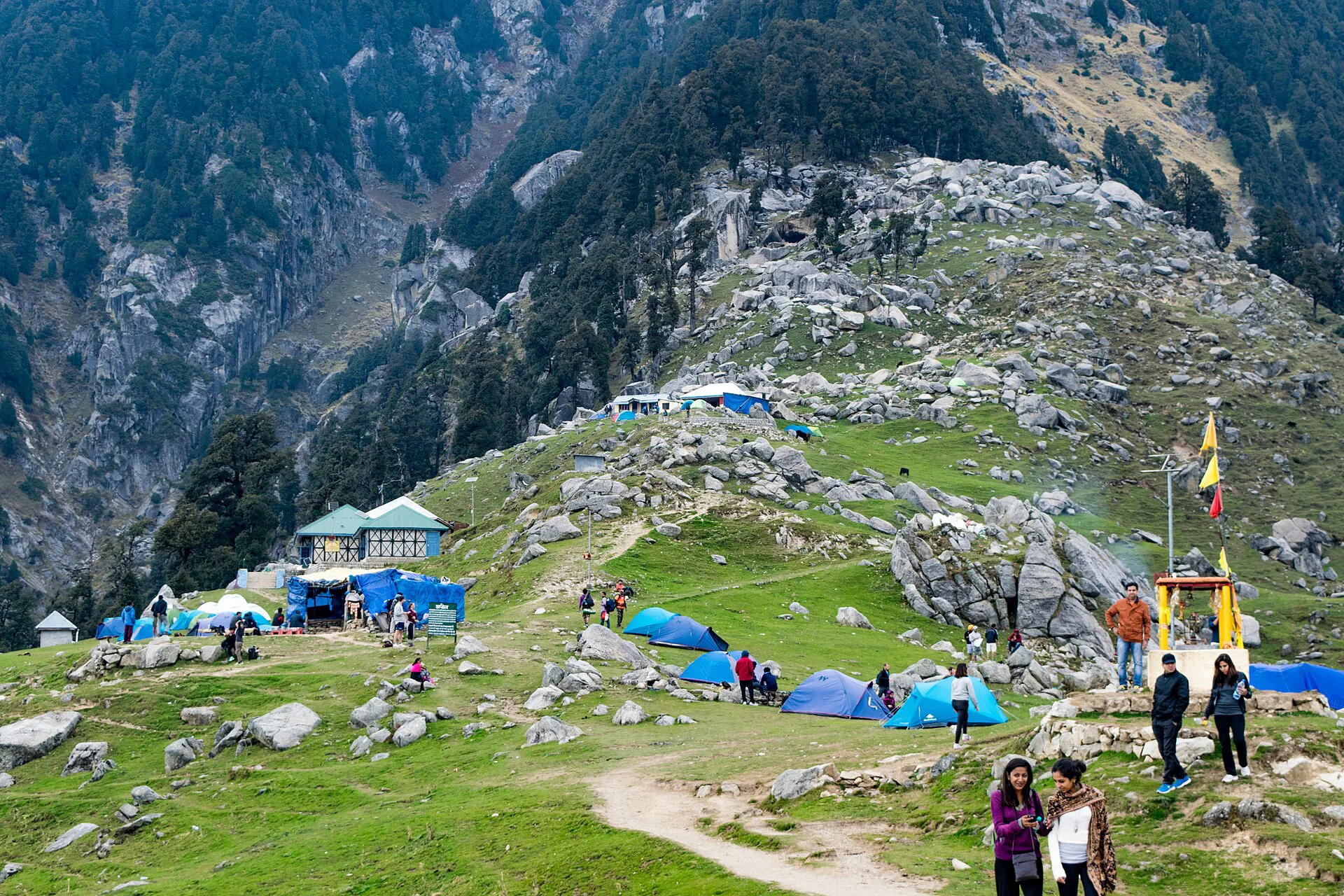
- Triund: the surest snow, but see below.
Triund in winter
Guides report that the trail can be closed for weeks in January and February after heavy snowfall, and that tea stalls and the forest rest house on top are often shut. When it is open, it is suitable only for fit walkers with a local guide, proper boots and poles, starting early and returning the same day. Ask the forest checkpost or a registered guide the day before. The summer route is described in our Triund trek guide.
What stays open, and what does not
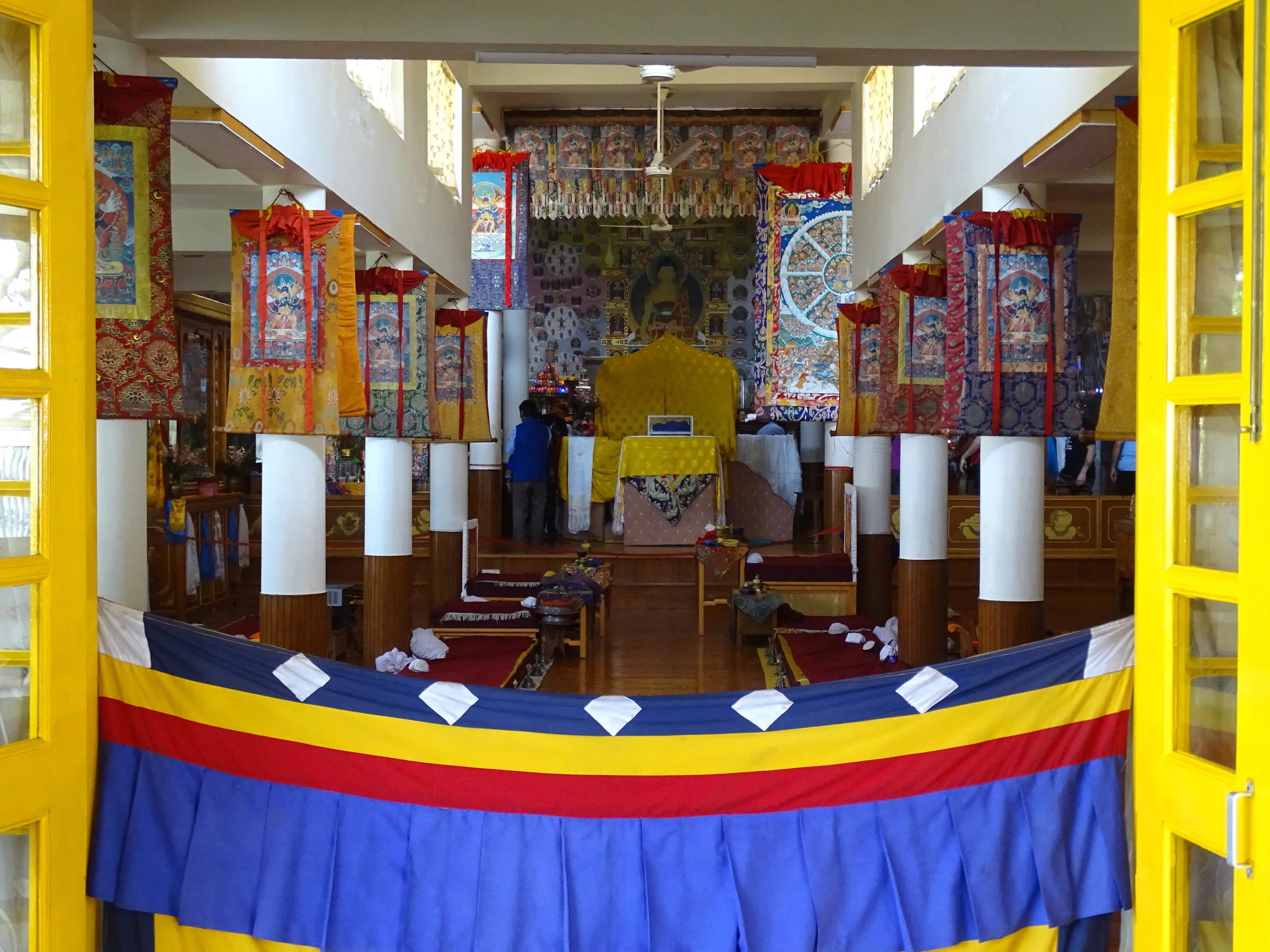
- Open: the Tsuglagkhang complex, monasteries, museums, most hotels and the main market.
- May be shut: some guesthouses, cafés and course centres close for a winter break, particularly in Dharamkot and Bhagsu.
- Heating: many budget rooms have none. Confirm a heater or electric blanket before booking, and expect occasional power cuts after snow.
- Roads: the main road up from Dharamshala is normally kept open; side roads can be icy in the morning.
What to pack
- Thermals, a fleece and a windproof or down jacket.
- Gloves, a warm cap and thick socks.
- Shoes with grip; waterproof if snow is forecast.
- Lip balm, moisturiser and sunglasses.
Is winter a good time to go?
Yes, if you want quiet lanes, sharp mountain views and a chance of snow, and do not mind the cold. If trekking is the main aim, spring and autumn are better — see best time to visit Dharamshala. For what to do on cold days, read things to do in McLeod Ganj and day trips around Dharamshala; the Kangra valley below is milder.
Check before you go
- Himachal Pradesh Tourism — official destination information.
- India Meteorological Department — forecasts and warnings.
- HRTC online booking — state bus timetables and fares.
Plan a winter trip to Dharamshala
Tell us your dates, group and starting city and the Funtoor team will suggest a route and stays. Plan my trip. We will confirm heating and road access for your dates.
Frequently asked questions
Does it snow in Dharamshala?
Lower Dharamshala rarely gets snow. McLeod Ganj and the villages above it do in some spells between late December and February.
Which month is best for snow in McLeod Ganj?
January is the most dependable, though no date is certain.
Is Triund open in winter?
It is often closed or hard going in January and February. Check locally before planning it.
How cold is Dharamshala in January?
About 5°C at night and 15°C by day on average, sometimes below freezing.
Is McLeod Ganj crowded in winter?
Only around Christmas and New Year. The rest of the season is quiet.
Compiled by the Funtoor team from published sources and official pages, last reviewed in October 2026. It is a planning guide, not a first-hand trip report; distances, fees, rules and timetables change and sources differ, so confirm anything time-sensitive before you travel.
Written by
Funtoor Travel Team
Travel planners based in Chail, Himachal Pradesh. We plan and arrange trips — stays, transport and experiences — across the Himalayas.