Short answer: McLeod Ganj is a hill suburb of Dharamshala at about 2,082 m, best known as the home of the Dalai Lama and the Tibetan government-in-exile. In two days you can cover the Tsuglagkhang temple complex, the Tibet Museum, Bhagsu temple and waterfall, St John in the Wilderness church and Dal Lake, all on foot or by short taxi rides. Add a third day for the Triund hike or Norbulingka Institute.
Get your bearings first
The names confuse first-time visitors. Dharamshala is the town; McLeod Ganj sits above it, with Bhagsu and Dharamkot a little higher and each with its own feel. Lower Dharamshala is at about 1,380 m, upper Dharamshala around 1,830 m, and McLeod Ganj about 2,082 m. For where to base yourself, read Dharamshala vs McLeod Ganj.
The essential sights
1. Tsuglagkhang complex (the Dalai Lama’s temple)
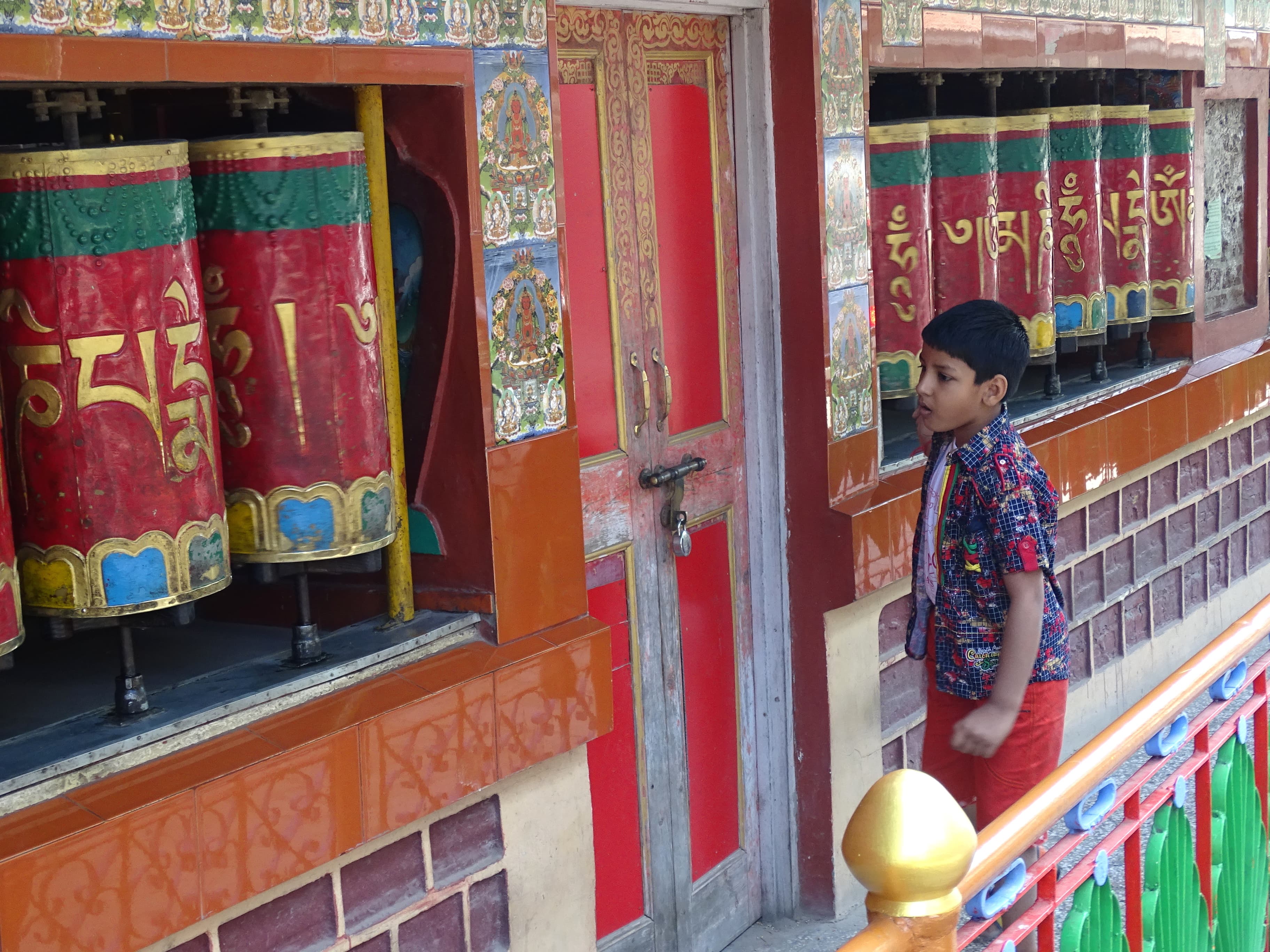
The spiritual centre of the town, with the main temple and Namgyal Monastery. It is an active place of worship: dress modestly, keep your voice down and follow the rules on photography posted at the entrance. Allow one to two hours, more if you walk the kora (the circumambulation path) around it.
2. The Tibet Museum
Established in 1998, it tells the story of Tibet and the exile community. It is the best single place to understand why McLeod Ganj is what it is. Allow about an hour and check opening days before you go.
3. Bhagsu: temple and waterfall
The temple to Bhagsu Nath and the waterfall beyond it, about 20 m high, are a short walk or ride from the main square. The path to the falls gets crowded by late morning; go early. Flow is strongest after the monsoon and thin in early summer.
4. St John in the Wilderness
A nineteenth-century Anglican church set in deodar forest near Forsyth Ganj, on the road down towards Dharamshala. Quiet, and a pleasant walk from town.
5. Dal Lake and Naddi
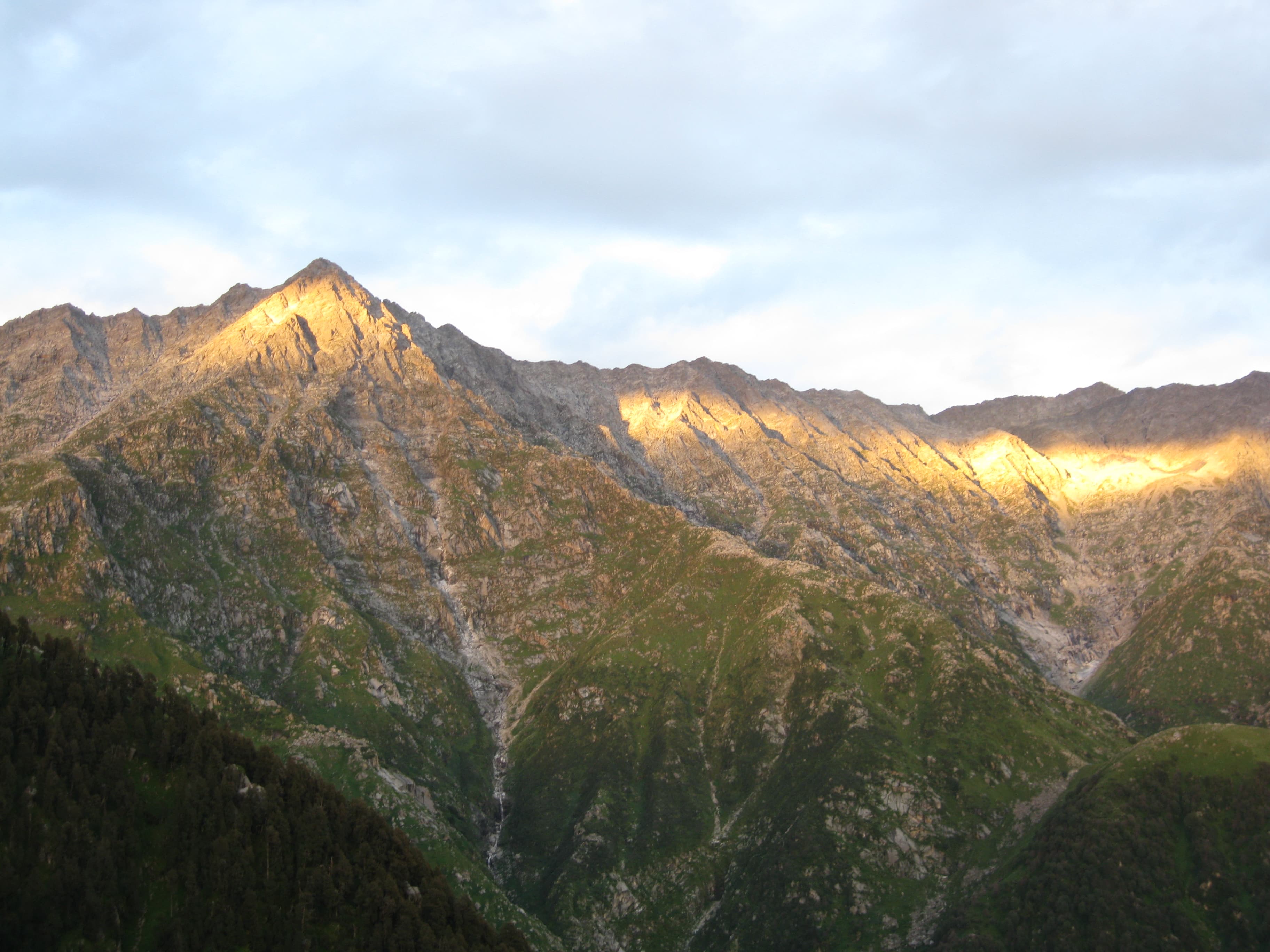
Dal Lake is about 3 km from McLeod Ganj — a small lake ringed by trees rather than a grand one. Naddi, just beyond, is the viewpoint people go for, with a wide look at the Dhauladhar range on clear days.
6. Dharamkot
The village above McLeod Ganj: quieter, with cafés, yoga and meditation centres and the start of several trails. It is where to stay if you want calm rather than the market.
Half-day and full-day outings
Triund
The ridge-top meadow at about 2,850 m is the area’s best-known hike. Walkers register at the forest checkpost near Galu temple above Dharamkot. Reported distances are roughly 5.5–7 km from Galu and about 9 km from McLeod Ganj, taking four to six hours up. It is a full day. See our Triund trek guide.
Norbulingka Institute
Down in the valley near Dharamshala, Norbulingka is dedicated to preserving Tibetan arts and crafts. Combine it with a visit to lower Dharamshala.
Library of Tibetan Works and Archives
Between McLeod Ganj and lower Dharamshala; of interest to anyone curious about Tibetan culture and texts.
HPCA cricket stadium
In Dharamshala at about 1,317 m, with the Dhauladhar range behind the stands. Access depends on fixtures and stadium rules on the day.
How long each thing takes
| Activity | Time to allow | Getting there |
|---|---|---|
| Tsuglagkhang and Namgyal Monastery | 1–2 hours | Walk from the main square |
| Tibet Museum | About 1 hour | Next to the temple complex |
| Bhagsu temple and waterfall | 2–3 hours | Walk or short ride |
| St John in the Wilderness | 1 hour including the walk | Walk or taxi |
| Dal Lake and Naddi | 2–3 hours | Taxi or a longer walk |
| Triund | Full day | On foot from Galu / Dharamkot |
| Norbulingka | Half day | Taxi down to the valley |
Times are planning estimates.
A plan for two or three days
- Day 1: Tsuglagkhang, the kora walk and the Tibet Museum in the morning; market and cafés in the afternoon; St John’s church before sunset.
- Day 2: Bhagsu early, then Dharamkot for lunch; Dal Lake and Naddi for the evening view.
- Day 3 (optional): Triund as a day hike, or Norbulingka and lower Dharamshala if you would rather not climb.
When to go
- March to June: the main season; clear, pleasant and busy.
- June to mid-September: monsoon. Dharamshala is one of the wettest places in Himachal — up to about 3,000 mm of rain — so expect downpours, leeches on trails and slippery paths.
- September to November: clear skies and good walking.
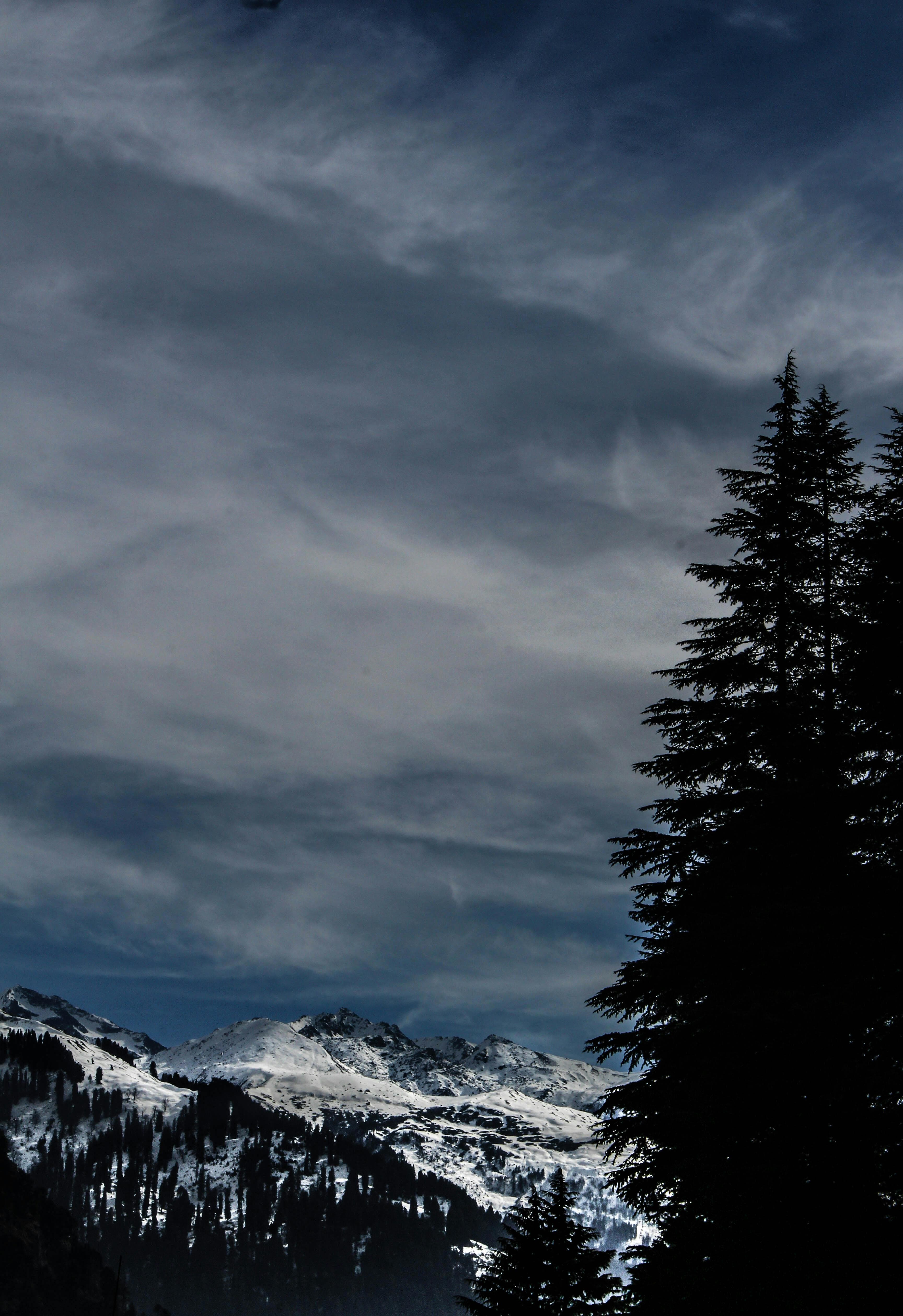
- December to late February: winter. Snow and sleet are common in upper Dharamshala, including McLeod Ganj, Bhagsu and Naddi.
More in the best time to visit Dharamshala.
Practical tips
- The lanes are steep and narrow. Leave the car parked and walk or use local taxis.
- Traffic jams on the single road up from Dharamshala are common on weekends; arrive early or late.
- Carry a rain layer from June to September and warm layers from November to March.
- Respect monastic spaces: ask before photographing monks, nuns or rituals.
- For costs, see Dharamshala trip cost; for getting here, how to reach Dharamshala from Delhi.
Official sources
- Kangra district administration — local advisories.
- Himachal Tourism
- Himachal Pradesh Forest Department — trekking and camping rules.
- HRTC online booking — state bus timetables and fares.
- India Meteorological Department — forecasts and warnings.
Want it arranged?
Funtoor can plan McLeod Ganj and Dharamshala around your dates — stays, transfers, a guide for Triund and day trips into the Kangra valley. Plan my McLeod Ganj trip, or see our Dharamshala package.
Frequently asked questions
How many days are enough for McLeod Ganj?
Two days cover the main sights; three if you want to hike to Triund.
Is McLeod Ganj the same as Dharamshala?
McLeod Ganj is a suburb of Dharamshala, higher up the hill. Most visitors stay in or near McLeod Ganj.
Can I see the Dalai Lama in McLeod Ganj?
Only when he is in residence and holding public teachings or audiences, which are announced in advance by his office. Do not plan a trip around it without checking.
Does it snow in McLeod Ganj?
Snow and sleet are common in winter, from December to late February, though amounts vary each year.
Is McLeod Ganj walkable?
Yes. Most sights are within walking distance, though the lanes are steep.
Compiled by the Funtoor team from published sources and official pages, last reviewed in October 2026. It is a planning guide, not a first-hand trip report; conditions, fees and timetables change, so confirm anything time-sensitive before you travel.
Written by
Funtoor Travel Team
Travel planners based in Chail, Himachal Pradesh. We plan and arrange trips — stays, transport and experiences — across the Himalayas.