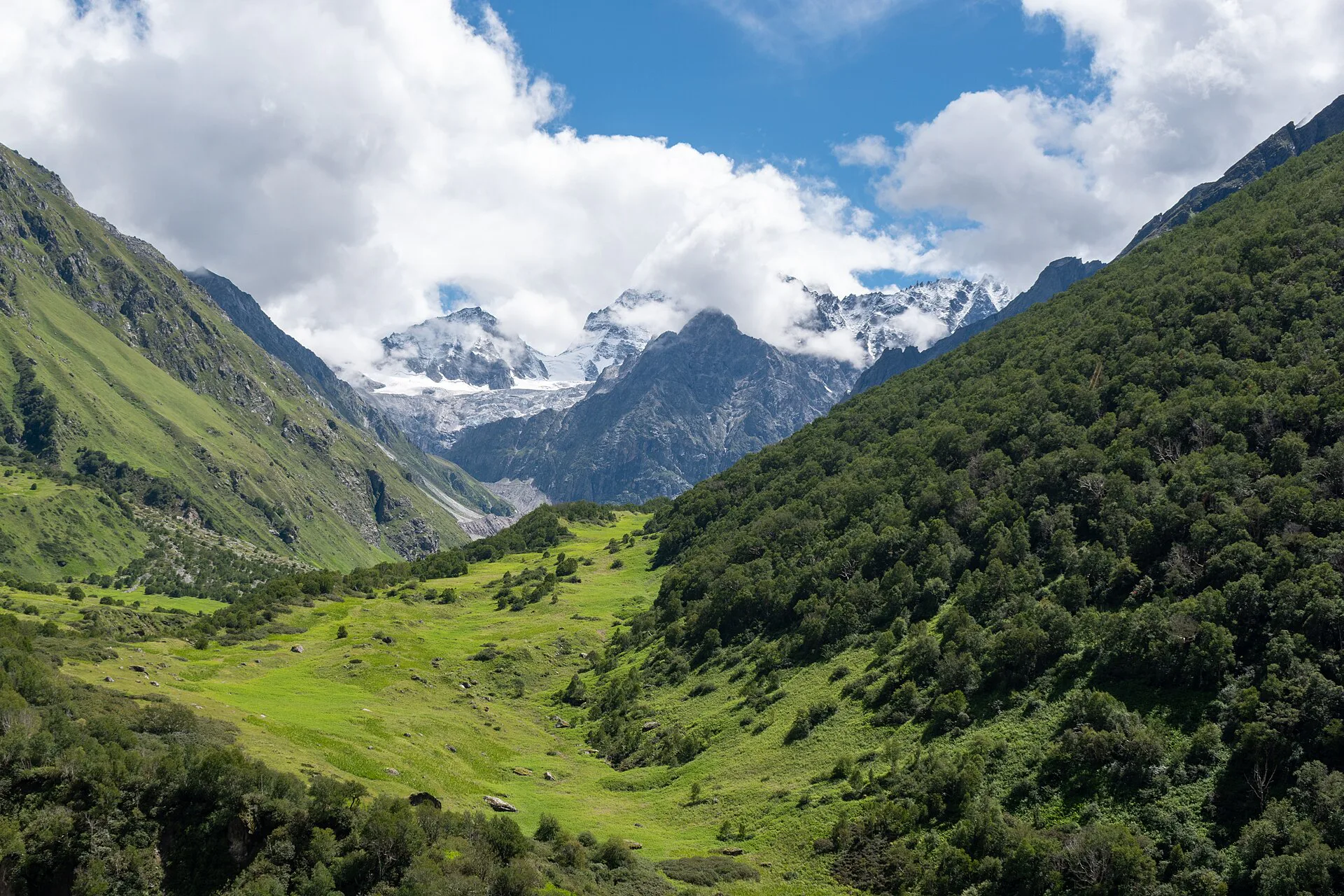
Short answer: In July and August, go where the rain does not reach or where it is the attraction. Ladakh and Spiti lie in the Himalayan rain shadow and are in season. The Western Ghats — Munnar, Coorg, Lonavala — and Udaipur's lakes look their best. The Valley of Flowers blooms from about mid-July to mid-August. The lower Himalayan hill roads of Himachal and Uttarakhand, by contrast, are landslide-prone in peak rain and need flexible plans.
Three kinds of monsoon trip
| Type | Where | What to expect |
|---|---|---|
| Dry in the monsoon | Ladakh, Spiti | Clear skies, open passes; the risk is altitude, not rain |
| Best in the rain | Munnar, Coorg, Lonavala, Kodaikanal, Udaipur | Green hills, waterfalls, mist; frequent showers |
| Short seasonal window | Valley of Flowers | Peak bloom mid-July to mid-August; trek access, entry limits |
| Go with caution | Hill roads of Himachal and Uttarakhand | Landslides, road blocks, swollen rivers |
Rain-shadow regions
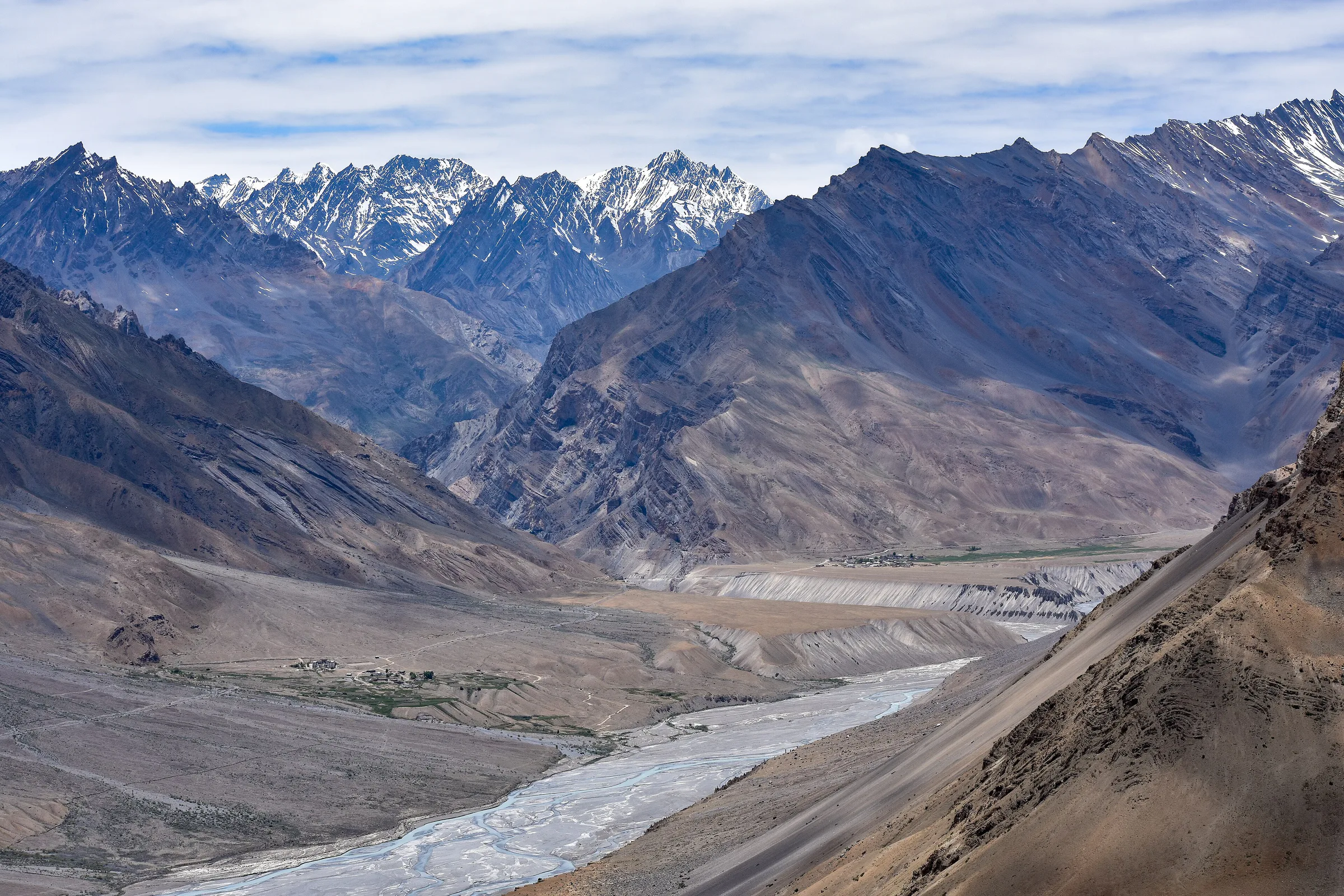
July and August are the main season in Ladakh. Acclimatise slowly and keep rest days. Spiti is also dry, but the roads into it are not: the Kinnaur approach and the Manali side both pass through landslide zones. Read best time to visit Leh Ladakh and the Spiti road trip guide.
Places the rain improves
- Munnar and Coorg: tea and coffee country at its greenest.
- Lonavala and the Sahyadris: waterfalls and mist a short drive from Mumbai and Pune; weekdays are far less crowded.
- Udaipur: lakes fill and the hills turn green; sightseeing continues between showers.
- Goa: quiet and lush, but the sea is rough and many beach shacks are shut.
Valley of Flowers
The national park in Uttarakhand is reached on foot from Govindghat and is open only in the warm months, with peak flowering from about mid-July to mid-August. It is a day-visit site with fixed entry hours, and guides report a daily visitor limit, so arrange entry in advance. The approach road is itself landslide-prone, so keep buffer days.
Himachal and Uttarakhand in the monsoon
Heavy rain regularly blocks hill roads. In early July 2025, for example, official bulletins reported more than 250 roads blocked across Himachal Pradesh at one time. That does not mean every trip must be cancelled, but it does mean:
- Check the India Meteorological Department's district warnings every morning, and do not travel on red or orange alert days.
- Drive only in daylight, and never park or stop below loose slopes.
- Keep at least one spare day and refundable bookings.
- Stay away from rivers and streams; water levels rise without warning.
- Avoid high treks unless a registered operator confirms the route is safe.
See also Kinnaur, where guides advise avoiding late July and August altogether.
What to pack
- A proper rain jacket and a cover for your bag.
- Shoes with grip; a second pair to change into.
- Quick-dry clothes, a power bank and a torch.
- Insect repellent and basic medicines.
Check before you go
- India Meteorological Department — forecasts and warnings.
- HRTC online booking — state bus timetables and fares.
Plan a monsoon-season trip
Tell us your dates, group and starting city and the Funtoor team will suggest a route and stays. Plan my trip. We will tell you honestly if a route is unwise for your dates.
Frequently asked questions
Which places in India are best in the monsoon?
Ladakh and Spiti for dry weather; Munnar, Coorg, Lonavala and Udaipur for the rain; the Valley of Flowers for its short bloom.
Is it safe to visit Himachal in July and August?
It can be done with flexible dates and daily weather checks, but landslides and road blocks are common. Avoid travel on warning days.
Does it rain in Ladakh in the monsoon?
Very little. Ladakh lies in a rain shadow, and July–August is its main season.
When is the Valley of Flowers open?
In the warm months only, with the best flowering from about mid-July to mid-August.
Is Goa worth visiting in the monsoon?
For greenery and quiet, yes. Swimming and beach shacks are limited.
Compiled by the Funtoor team from published sources and official pages, last reviewed in October 2026. It is a planning guide, not a first-hand trip report; distances, fees, rules and timetables change and sources differ, so confirm anything time-sensitive before you travel.
Written by
Funtoor Travel Team
Travel planners based in Chail, Himachal Pradesh. We plan and arrange trips — stays, transport and experiences — across the Himalayas.