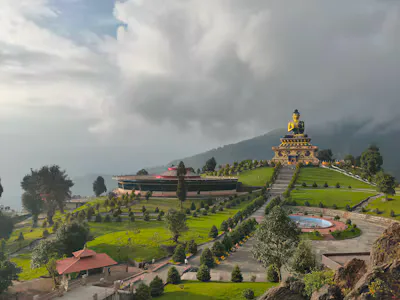
Choosing between North Sikkim and East Sikkim is one of the most exciting dilemmas for travelers planning a Himalayan expedition. Though both regions fall within the same tiny, breathtaking northeastern state of India, they offer entirely contrasting topographies, cultures, experiences, and travel rhythms. Understanding these differences is the key to curating a mountain holiday that matches your appetite for adventure, physical endurance, and travel style.
The Geographic and Terrain Contrast
To understand the difference between the two regions, it helps to look at their landscapes. North Sikkim is defined by raw, dramatic, and high-altitude wilderness. Because it borders Tibet and pushes deep into the high Himalayas, the terrain is rugged, heavily glaciated, and characterized by sweeping alpine valleys, deep gorges, and towering snow-capped peaks that remain frozen for much of the year.
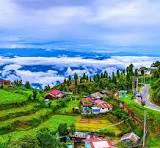
East Sikkim, on the other hand, offers a more balanced and accessible Himalayan experience. While it also features high-altitude zones near the borders, the terrain transitions more smoothly through dense temperate forests, cascading waterfalls, and undulating hills draped in terraced farming and vibrant rhododendron groves. It has historically served as a vital trade route, giving the region a distinct, deeply rooted cultural landscape layered with historical significance.
North Sikkim: High-Altitude Alpine Wonders
North Sikkim is tailored specifically for travelers seeking extreme heights, remote isolation, and jaw-dropping alpine panoramas.
Gurudongmar Lake: Situated at an astounding altitude of over 17,800 feet, this is one of the highest and most pristine freshwater lakes in the world. Surrounded by bare, snow-dusted mountains, its crystal-clear blue waters hold immense spiritual significance for Buddhists, Sikhs, and Hindus alike.
Yumthang Valley: Often referred to as the "Valley of Flowers," Yumthang is a gorgeous sanctuary flanked by towering peaks. During spring, it bursts into color with blooming alpine flowers, while the rest of the year offers sweeping green pastures, grazing yaks, and natural sulfur hot springs.
The Practical Reality: Traveling in North Sikkim requires robust physical preparation. Because of the extreme altitude, thin air, and remote terrain, travelers must acclimatize carefully to avoid altitude sickness. Permits are mandatory, road conditions can be challenging due to landslides or heavy snowfall, and infrastructure is more rustic, catering primarily to rugged adventurers.
East Sikkim: Cultural Heritage and Scenic Passes
East Sikkim provides a richer blend of historical exploration, accessible natural beauty, and cultural depth without pushing travelers into extreme, isolated high-altitude conditions.
Nathula Pass: Located on the old Silk Road border between India and China, Nathula is a historic mountain pass standing at over 14,000 feet. Visiting here offers a rare glimpse into international border operations, complete with military outposts and stunning views of the surrounding Himalayan ranges.
Tsomgo Lake (Changu Lake): A mesmerizing glacial lake located just off the main highway to Nathula, Tsomgo changes its appearance across seasons—from a deep, crystal-clear blue mirror in autumn to a frozen, snow-covered wonderland in winter. It is heavily associated with local folklore and remains one of East Sikkim's most popular attractions.
Gangtok and Environs: As the capital hub, East Sikkim offers easy access to urban comforts, monasteries (like Rumtek), handicraft centers, and vibrant local markets, making it ideal for families, culture enthusiasts, and travelers who prefer a comfortable basecamp.
Accessibility, Permits, and Logistics
Both regions require special restricted area permits for non-Indian citizens and specific zones for Indian nationals due to their proximity to international borders. However, logistics differ:
North Sikkim usually involves longer, arduous road journeys from Gangtok (often 4 to 6 hours just to reach Lachen or Lachung), making multi-day itineraries mandatory.
East Sikkim features shorter travel times, better-maintained roads, and flexible day-trip options, making it significantly more forgiving for families traveling with children or older adults.
Choosing Your Ideal Region
Ultimately, your choice depends on your travel priorities:
Opt for North Sikkim if you want to test your limits against raw nature, chase pristine high-altitude lakes like Gurudongmar, and witness untouched alpine majesty.
Opt for East Sikkim if you prefer a well-rounded vacation blending scenic lakes, historical trade routes, comfortable travel logistics, and rich cultural immersion.
Written by
Funtoor Travel Team
Travel planners based in Chail, Himachal Pradesh. We plan and arrange trips — stays, transport and experiences — across the Himalayas.