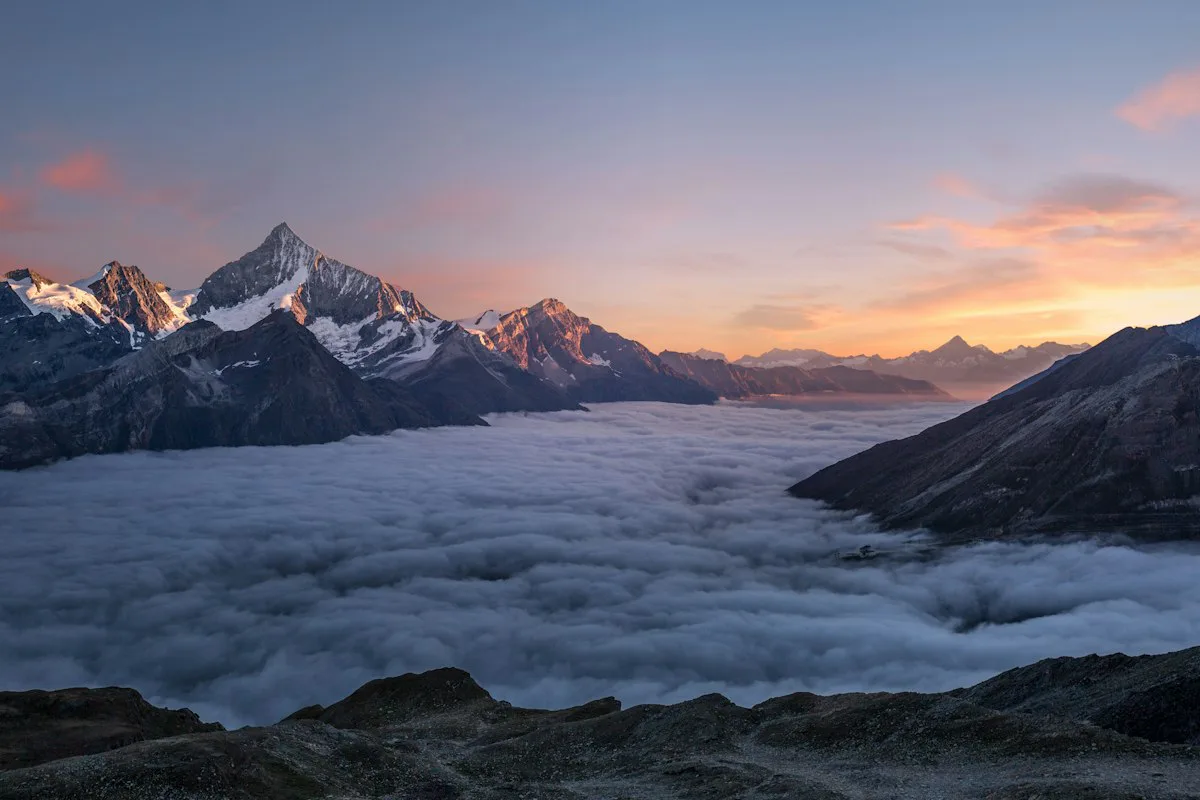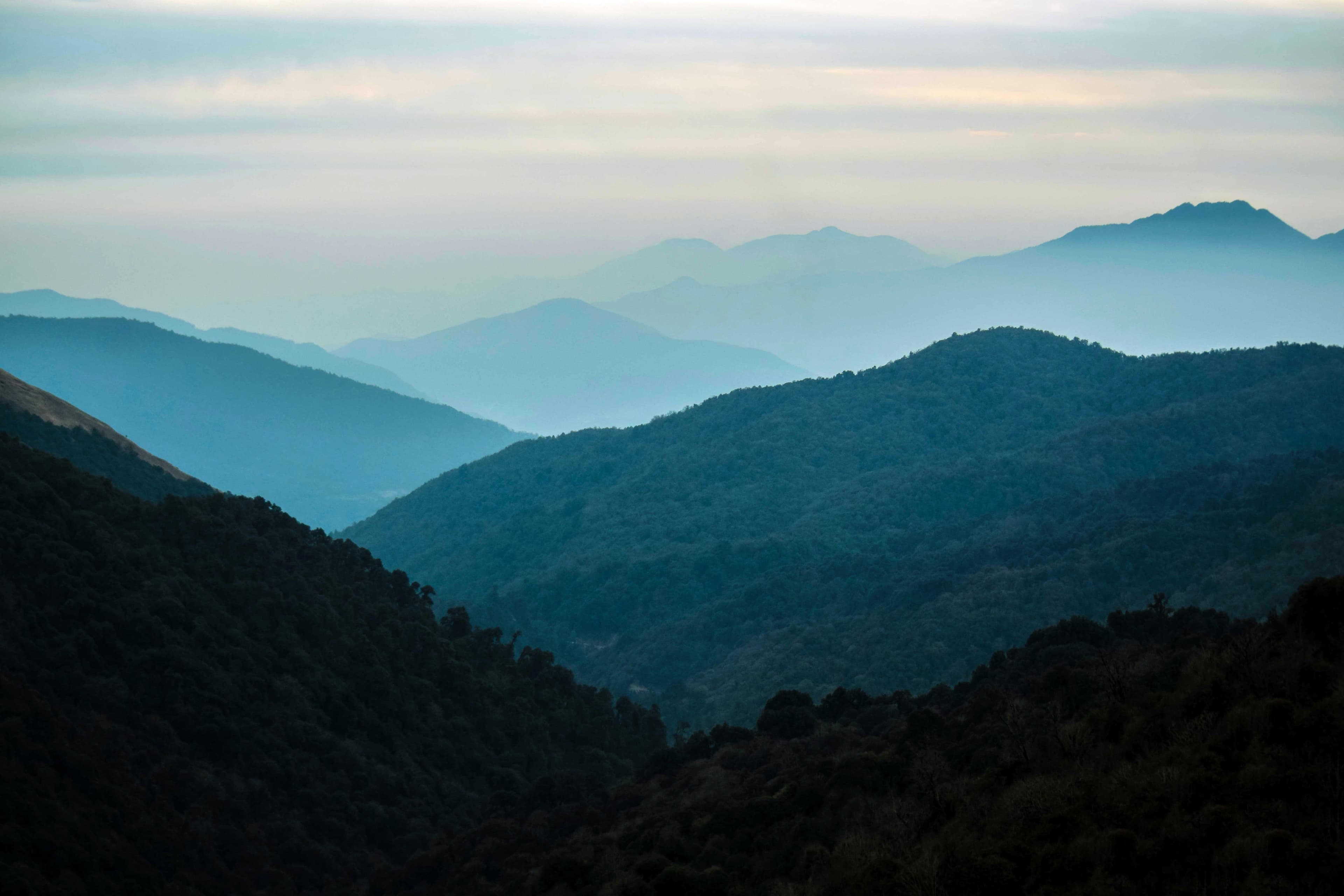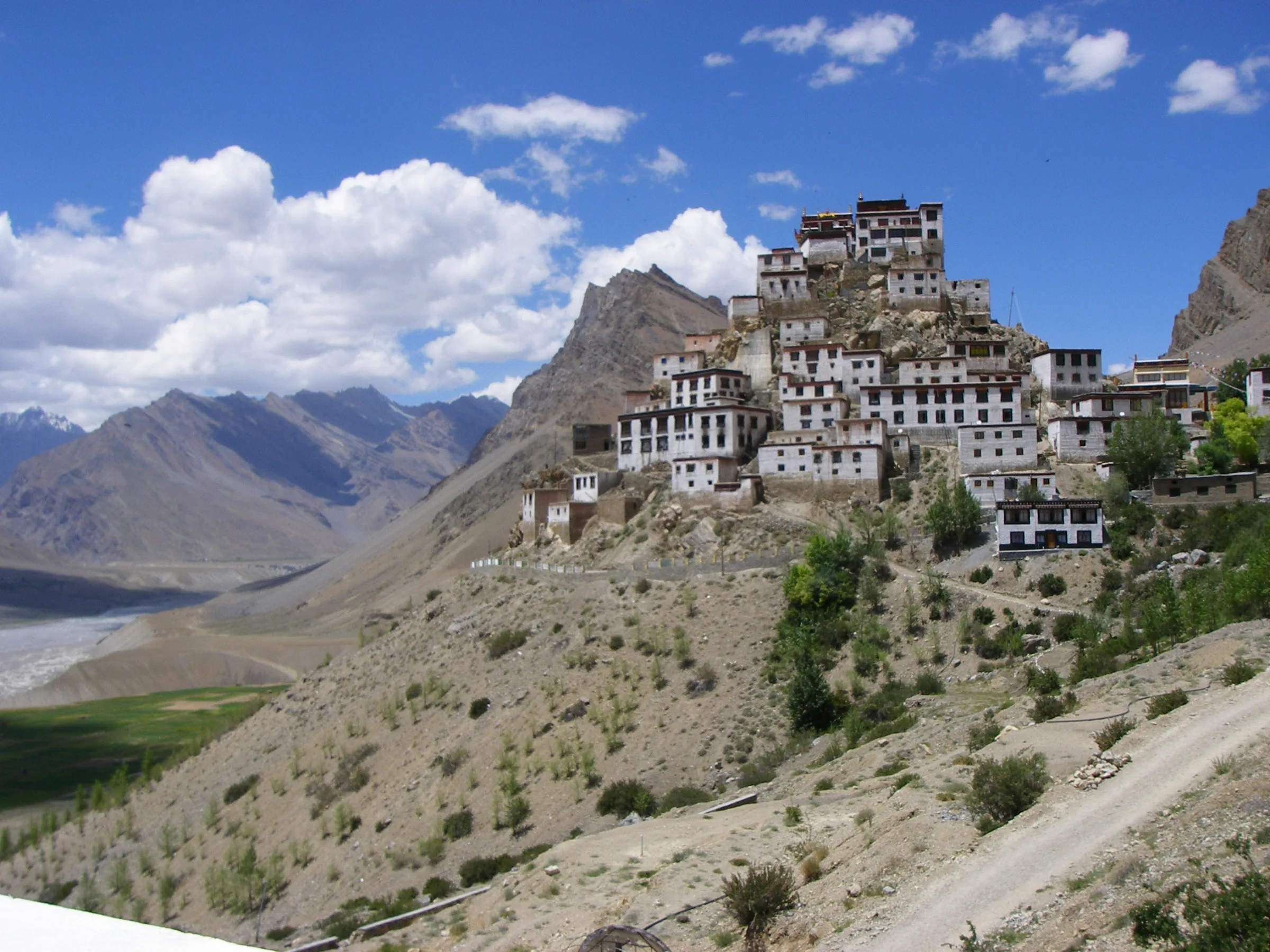
Spiti Valley, known as the "Middle Land" between India and Tibet, is a breathtaking high-altitude cold desert where nature's grandeur meets timeless Buddhist spirituality. Tucked away in the far corners of Himachal Pradesh, Spiti leaves behind lush greenery for dramatic, wind-sculpted canyons, barren mountain faces, crystal-clear skies, and ancient whitewashed hamlets perched precariously on cliffs.
The Spellbinding High-Altitude Wilderness
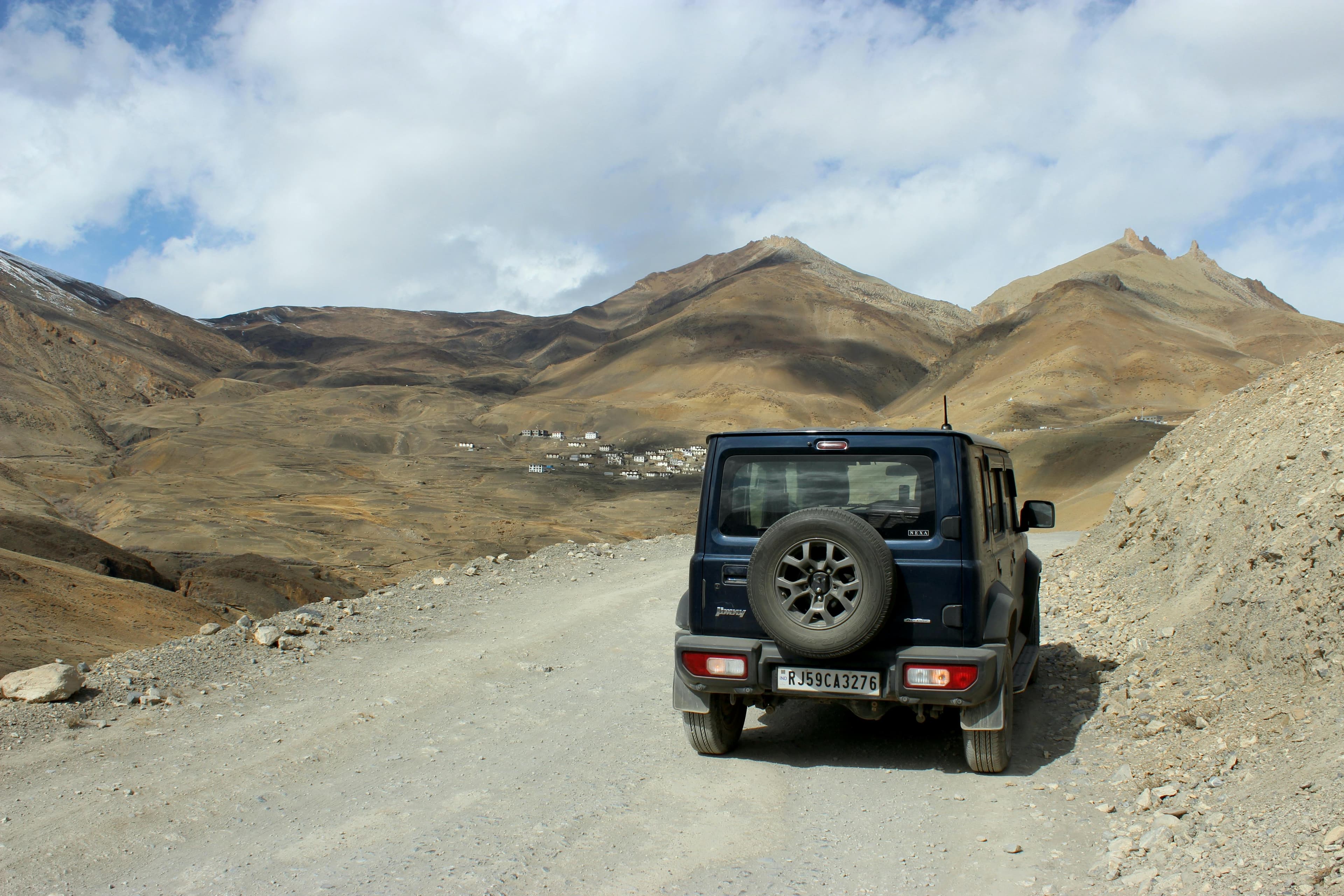
Sitting over 12,000 feet above sea level, Spiti’s terrain feels almost extraterrestrial. Navigating through its vast valleys reveals shifting shades of bronze, gold, and terracotta under an unblemished azure sky. The air is razor-sharp, crisp, and pure. At night, Spiti transforms into a stargazer's paradise, where the Milky Way stretches vividly across a pitch-black canopy unaffected by city lights.
Iconic Highlights & Experiences
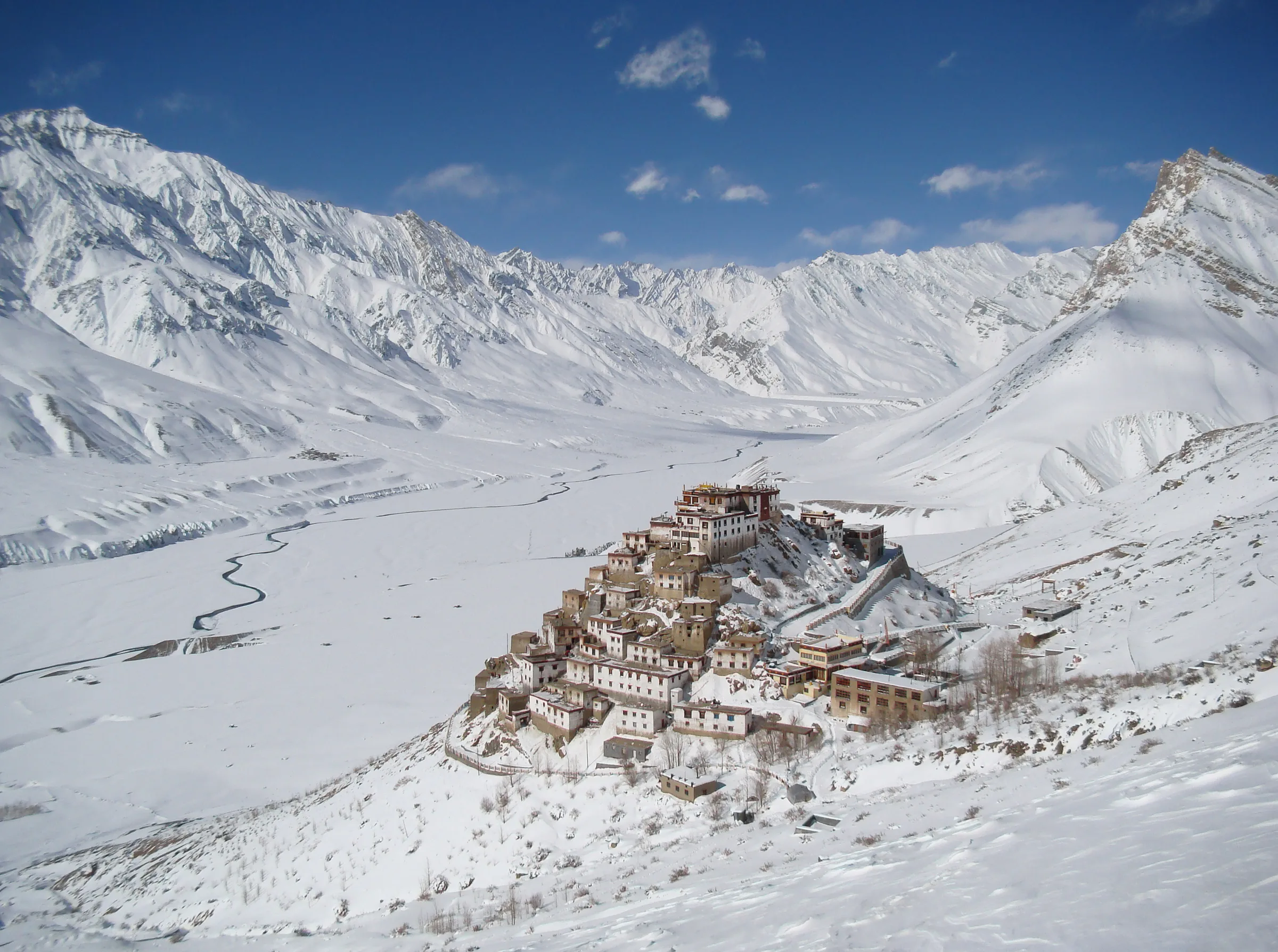
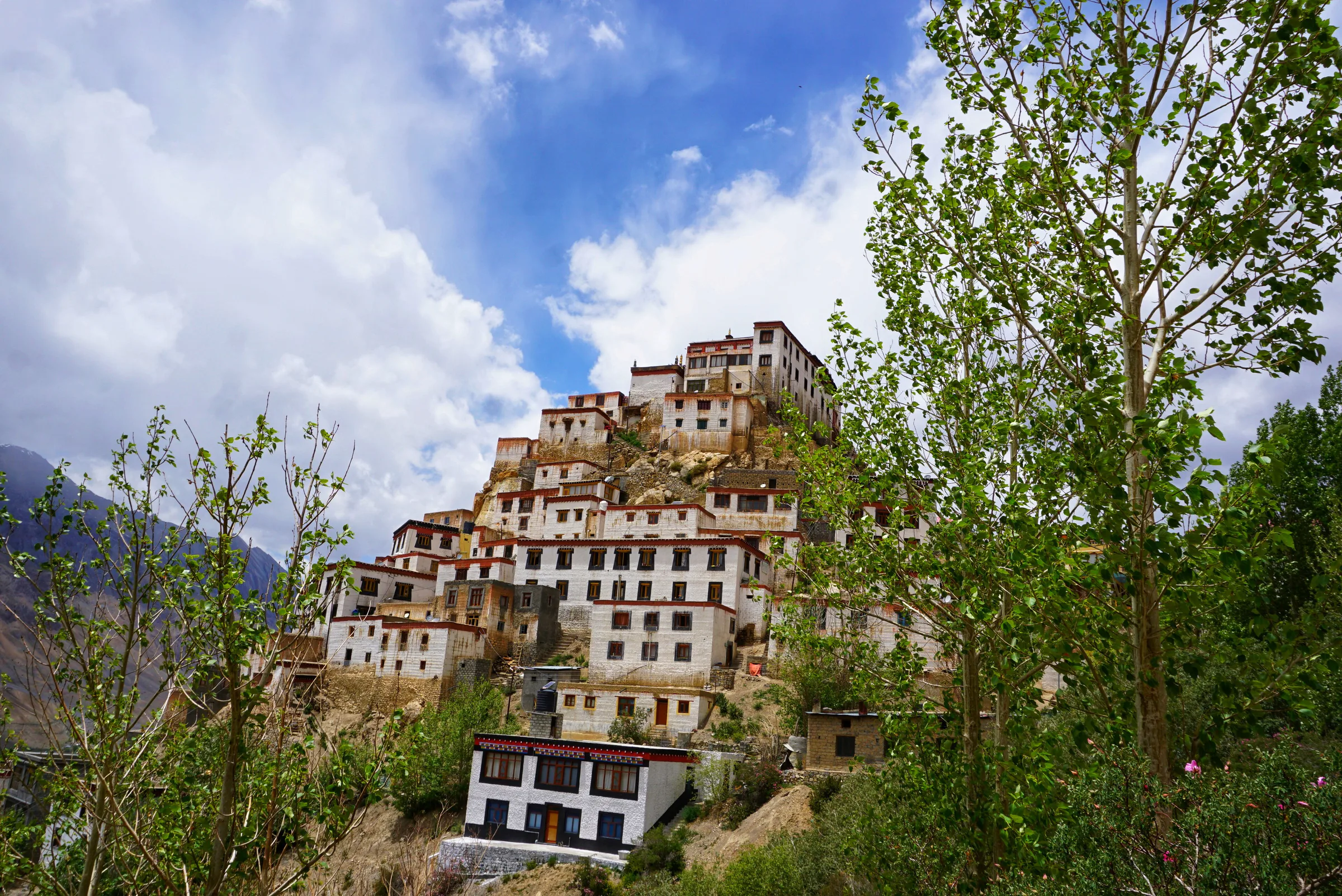
Key Monastery (Ki Gompa): Perched majestically on a conical hill overlooking the Spiti River, this iconic 1,000-year-old monastery is a sanctuary of peace, housing ancient murals, thangkas, and serene prayer halls.
Chandratal Lake (The Moon Lake): Tucked away at 14,100 feet, this crescent-shaped alpine lake changes colors from deep emerald to shimmering turquoise throughout the day as sunlight shifts across the surrounding peaks.
Dhankar Monastery & Lake: Suspended over a cliff edge where the Spiti and Pin rivers meet, Dhankar offers a hauntingly beautiful glimpse into ancient architectural marvels, with a scenic trek leading up to the quiet Dhankar Lake.
Kibber & Chicham Bridge: Visit one of the highest inhabited villages in the world and cross Chicham Bridge, Asia’s highest bridge suspended over a dizzying, deep gorge.
Hikkim, Komic, and Langza: Send a postcard from the world’s highest post office at Hikkim, visit Komic—the highest village connected by a motorable road—and admire the giant Buddha statue standing guard over Langza.
Culture & Mountain Hospitality
Life in Spiti is shaped by the warmth and resilience of its local people. Spitian culture is deeply rooted in Tibetan Buddhism, reflected in prayer flags fluttering over whitewashed mud-brick homes. Staying in traditional homestays offers an authentic taste of local mountain life—sharing stories around a warm hearth, sipping hot butter tea, and enjoying home-cooked meals prepared with local barley (tsampa) and mountain herbs.
Essential Travel Tips for Spiti
Acclimatization is Key: Due to high altitudes, give your body at least 24 to 48 hours to acclimatize (ideally in Shimla/Kalpa or Manali) to prevent Acute Mountain Sickness (AMS).
Prepare for Rough Roads: The journey into Spiti involves navigating unpaved dirt tracks, water crossings, and narrow mountain passes like Kunzum Pass and Rohtang Pass. A sturdy 4x4 or high-clearance vehicle is recommended.
Best Time to Visit: June to September offers clear weather, open roads, and pleasant days. Winter trips (January to March) cater to extreme adventure seekers hoping to witness snow-laden valleys and rare snow leopards.
Spiti is not merely a destination; it is an unforgettable pilgrimage for the soul. It challenges your limits, humbles your perspective, and rewards you with mountain landscapes and spiritual tranquility that remain etched in your heart forever.
Written by
Funtoor Travel Team
Travel planners based in Chail, Himachal Pradesh. We plan and arrange trips — stays, transport and experiences — across the Himalayas.